
Oenocarpus
Oenocarpus
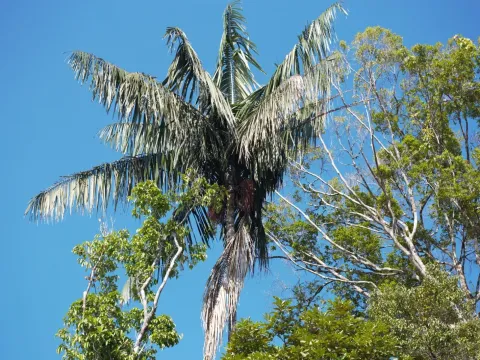
Oenocarpus is a genus of flowering plants in the palm family, Arecaceae. These palms are native to the tropical regions of South America, primarily flourishing in the Amazon basin.
What the section contains


Oenocarpus
The culture requires a tropical climate characterized by high temperatures and consistent rainfall throughout the year. They are strictly intolerant of frost and require sheltered locations in regions prone to sudden cooling.
Soil requirements for Oenocarpus include well-draining, nutrient-rich substrates. They thrive in acidic to neutral soils and are often found in alluvial areas where organic matter accumulation is high.
Botanically, these palms are characterized by their tall, slender stems and long pinnate leaves. Their reproductive system is highly efficient, producing dense clusters of fruit that are biologically rich in lipids.
Cultivation practices involve selecting high-yield varieties, ensuring optimal spacing to prevent competition for sunlight, and implementing consistent fertilization to replace soil nutrients depleted by rapid palm growth.
The primary economic output of Oenocarpus is its fruit, which is highly prized for its high-quality oil content. The oil is gaining global attention due to its nutritional profile.
Annual yields depend heavily on the age of the plantation and the irrigation management. Once the palms reach maturity, they provide a consistent harvest cycle for several decades.
Harvesting involves the collection of large fruit bunches. Precision is necessary during the harvest to ensure the fruit is processed while at peak maturity to maintain oil quality.
After harvesting, the fruit undergoes de-pulping and mechanical extraction. The byproduct, including seeds and fiber, is often utilized for biomass energy or livestock feed, enhancing overall farm efficiency.
Global demand for sustainable plant-based oils positions Oenocarpus as a crop with significant potential for smallholder farmers in tropical agroforestry systems.
The primary threats to Oenocarpus plantations involve fungal pathogens that exploit high humidity and poor ventilation. Proper spacing is essential to mitigate these risks.
Insect pests, particularly palm borers and weevils, can cause severe structural damage to the palms. Early detection is critical for the long-term viability of the plantation.
Integrated Pest Management (IPM) is recommended, focusing on biological controls and the removal of breeding sites for harmful insects within the plantation area.
Environmental stressors, such as prolonged drought or extreme flooding, can also predispose the plants to opportunistic secondary infections.
- Palm weevil (Rhynchophorus spp.)
- Fungal stem rots
- Leaf-eating caterpillars