
Orania macrocladus
Orania macrocladus
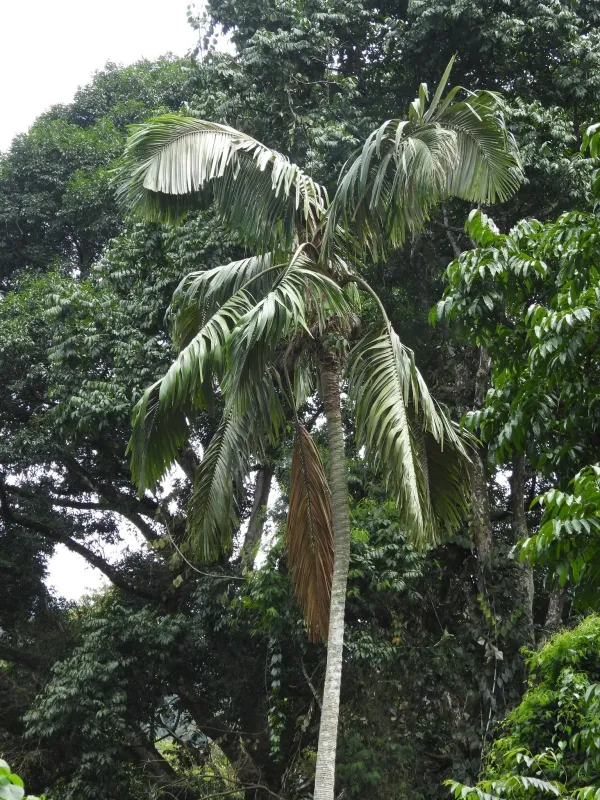
Description
Sowing dates
Orania macrocladus, a species belonging to the Arecaceae family, is propagated primarily through its seeds. In its native tropical habitat, the seeds fall onto the forest floor, where high humidity and warm temperatures facilitate the germination process.
In agricultural settings, sowing is conducted in specialized nurseries using a porous, well-draining substrate. Maintaining a consistent temperature between 25 and 30 degrees Celsius is essential for successful seedling development.
It is vital to use freshly harvested seeds, as the viability of Orania macrocladus seeds decreases significantly once they dry out. Speed of handling from collection to sowing is a critical factor for achieving high germination rates.
The germination period can be extensive, requiring the nursery manager to maintain constant soil moisture without inducing waterlogging. Utilizing greenhouse conditions can help stabilize the environment and protect young sprouts during their most vulnerable stage.
Once seedlings have developed their first few true leaves, they are typically transplanted into individual containers. Great care must be taken during this process to avoid disturbing the fragile root system, which is characteristic of young palms.
Growing requirements
As a true tropical palm, Orania macrocladus thrives in environments that offer constant warmth and high humidity. It is highly sensitive to cold temperatures, and even minor frost can be fatal to the plant, limiting its cultivation to tropical zones.
The soil requirements focus on fertility, good structure, and excellent drainage. The plant prefers rich, organic-heavy substrates that support robust root growth while preventing the development of anaerobic conditions that lead to root rot.
Light requirements are significant, particularly for mature specimens. While young palms may benefit from partial shade, adults require substantial solar exposure to support healthy growth and the development of their large, characteristic fronds.
Air humidity is equally important, as the plant suffers from dehydration in overly arid environments. Implementing irrigation systems that can provide consistent moisture and occasional misting is beneficial for maintaining optimal plant vigor.
Regular fertilization with balanced organic nutrients is recommended to sustain the growth of the palm. Effective agronomic management also includes keeping the base of the plant free of weeds to reduce competition for nutrients and water.
Yield
The commercial utility of Orania macrocladus is often linked to local traditional uses, including the consumption of its edible palm heart. It is not typically grown as a mass-market commodity, making it a niche crop in various tropical agricultural systems.
Yield metrics for this palm are generally tied to the rate of vegetative development rather than annual fruit harvests. The plant's long life cycle makes it a permanent part of the agricultural landscape, requiring careful long-term management.
Agroforestry systems are well-suited for this species, allowing it to grow alongside other crops while maintaining the health and productivity of the soil. Integrating Orania with other plant species can improve total land-use efficiency.
While fruit production is possible, it is secondary to the vegetative health of the tree. Producers focus on maintaining the tree's structural integrity to ensure it reaches the size required for the specific harvest of its technical or edible components.
Economic success depends on the integration into local supply chains and the potential for multi-purpose usage of the plant parts. Sustainable harvesting practices are essential to ensure the longevity of the palm stands.
Main diseases and pests
Fungal pathogens represent the most significant threat to the health of Orania macrocladus, particularly under conditions of poor soil drainage and stagnant air. Root rot is a major concern that can lead to rapid decline if not identified early.
Insect pests, including various species of mites and scale insects, often target the palm foliage. These infestations are most prevalent in stressed plants or those kept in environments with poor ventilation and low humidity.
Stem-boring insects are among the most destructive threats, as they can cause extensive internal damage before external symptoms become visible. Regular monitoring and the removal of severely affected parts are necessary to prevent the spread of these pests.
Integrated pest management (IPM) is the preferred strategy, emphasizing cultural practices and biological control over chemical applications. Protecting the biodiversity within the planting area helps in naturally managing pest populations.
- Root rot (Phytophthora and Pythium species).
- Palm mites.
- Scale insects (Coccoidea).
- Weevils (Curculionidae).