
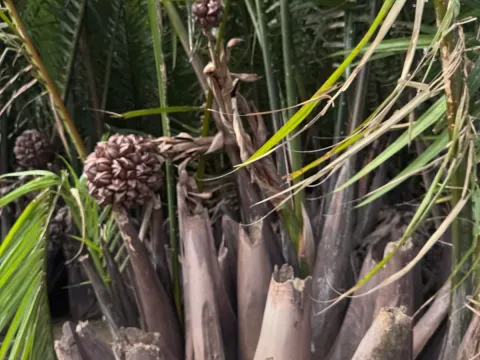
Nypa
Nypa
The Nypa palm (Nypa fruticans) is a unique, monotypic palm belonging to the Arecaceae family, distinguished by its adaptation to brackish water environments. Unlike most palms, it thrives in tidal zones, propagating naturally through large, buoyant fruits dispersed by water currents.
What the section contains

Nypa
In agricultural settings, propagation is typically managed by harvesting mature fruits and planting them in high-humidity nursery environments. The seedlings are then transplanted into tidal flat areas where they can anchor in nutrient-rich silt, essential for their establishment.
The plant features a creeping rhizome that branches extensively, allowing it to colonize large coastal areas. For commercial plantations, maintaining an optimal spacing of approximately 2 to 3 meters between individual palms is crucial to ensure adequate airflow and growth space.
Transplanting requires calm hydrological conditions to allow the roots to stabilize before being subjected to the mechanical stress of strong tidal fluctuations. This early developmental phase is the most critical time for establishing a healthy, productive palm colony.
Biological resilience to flooding allows the Nypa to act as an ecological barrier, preventing coastal erosion. This dual function of land stabilization and crop production makes it an excellent candidate for sustainable coastal agroforestry projects.
Nypa palms require a strictly tropical climate with consistent temperatures ranging between 25°C and 30°C. They are highly sensitive to thermal fluctuations and require a stable, warm environment to maintain consistent rates of sap production and leaf development.
The ideal growing medium is organic-rich, silty clay found in estuaries and coastal riverbanks. The plant relies on regular tidal flushing to bring in a fresh supply of mineral-rich water, which is necessary for its robust metabolism and growth.
Water salinity is a major environmental factor; although the Nypa is a halophyte, it performs best in brackish environments where the blend of freshwater river currents and seawater is optimal. High salinity levels, if stagnant, can retard the growth cycle.
Solar radiation is essential for photosynthesis. Nypa palms require open, well-lit spaces and are typically unable to thrive under the heavy shade of taller mangrove canopy species, making site selection critical for plantation success.
Consistent moisture is non-negotiable. Even during low tide, the soil must remain saturated. The Nypa’s root system is adapted to aquatic life, and prolonged exposure to dry, sunny conditions without adequate water can result in severe physiological stress for the palm.
The primary economic output of the Nypa palm is its sap, extracted from the inflorescence. This sweet sap is highly valuable for producing palm sugar, traditional vinegar, and biofuel, providing multiple revenue streams for small-scale farmers.
A single mature palm, under appropriate management, can yield significant quantities of sap for several months of the year. The extraction process is a specialized skill that balances harvesting with the palm's long-term health and growth cycle.
Nypa fronds are another major product, widely used in tropical architecture as a durable roofing and wall material. They are valued for their resistance to rot and insect damage, offering a sustainable alternative to imported building materials.
The edible endosperm of the young fruits is a local delicacy, and the hardened mature seeds have been traditionally used as a vegetable ivory substitute. These diverse products allow for a highly diversified economic model for Nypa growers.
Integrated management systems that harvest both sap and leaves can significantly increase the profitability of Nypa plantations. When cultivated correctly, these mangroves provide a consistent, multi-use harvest throughout the year.
The Nypa palm is susceptible to various pests, most notably wood-boring insects that target the fronds and stems. These pests can weaken the structure of the palm, leading to decreased yields and increased vulnerability to environmental stress.
Pollution, particularly from industrial waste or oil spills, poses a severe risk to coastal plantations. Because Nypa palms filter water through their root systems, they can accumulate toxins, which may negatively impact the quality of the harvested sap.
Fungal pathogens often infect the palm through wounds caused during harvesting. Proper hygiene during the tapping process is essential to prevent these infections from spreading and causing the death of mature, high-yielding individuals.
Crabs and small rodents often pose a threat to young seedlings in nurseries. Farmers often implement protective mesh barriers or promote the local biodiversity of predators to manage these threats naturally without using harmful chemical pesticides.
Climate change and rising sea levels present a long-term challenge to the Nypa industry. Changes in salinity and flooding patterns may shift the boundaries of suitable growing zones, requiring agronomists to constantly monitor soil and water health.
Harvesting sap requires skilled handling; the developing inflorescence is gently massaged to stimulate sap flow before a clean cut is made. A collection vessel is then attached, requiring daily maintenance to ensure the purity of the collected product.
Frond harvesting is done periodically by selecting mature, healthy leaves. By cutting at the base of the petiole and ensuring the central meristem is left undisturbed, growers can promote rapid regrowth, allowing for multiple harvests annually.
Fruit harvesting involves cutting the entire heavy infructescence once the seeds have reached the desired stage of maturity. This often requires the use of specialized tools, given the difficult, waterlogged terrain of the mangrove swamp.
Immediate processing of the sap is necessary as it undergoes rapid fermentation in tropical temperatures. Producers often choose to boil the sap immediately into a sugar syrup or treat it with traditional preservatives to prevent spoilage.
Storage of harvested leaves requires dry, well-ventilated conditions to prevent mold growth. Properly dried Nypa fronds become extremely durable, ensuring they maintain their structural integrity when used in building applications.