
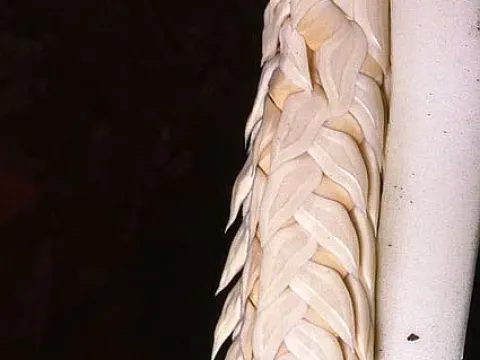
Nenga
Nenga
Nenga is a genus of flowering plants belonging to the family Arecaceae. These palms are native to the tropical rainforests of Southeast Asia, where they typically grow in the shaded understory of dense forests.
What the section contains


Nenga
The plant thrives in a tropical climate characterized by consistently high humidity and warm temperatures. It is not cold-hardy, which necessitates indoor or greenhouse cultivation in temperate regions to protect it from temperature drops below 15°C.
Cultivation requires a well-draining, nutrient-rich potting mix that mimics the organic-heavy soil of the forest floor. Providing adequate drainage is critical, as the roots are highly susceptible to rot if water remains stagnant.
Regarding light, Nenga prefers bright, indirect sunlight or filtered light. Direct sun exposure can scorch the delicate foliage, while low light conditions will significantly stunt the growth of the palm.
The primary use of the Nenga genus is ornamental. It is favored by botanical garden curators and interior plantscapers for its elegant stem structure and pinnate leaves, which add a sophisticated aesthetic to indoor tropical environments.
Like many palms in the Arecaceae family, Nenga is prone to fungal pathogens, particularly root rot, caused by overwatering or soil compaction. Maintaining a balanced hydration schedule is the best preventative measure.
Common indoor pests include spider mites, mealybugs, and scale insects. These pests often target the palm when ambient humidity is insufficient, making frequent misting and foliage cleaning essential maintenance tasks for growers.