
Oncosperma horridum
Oncosperma horridum
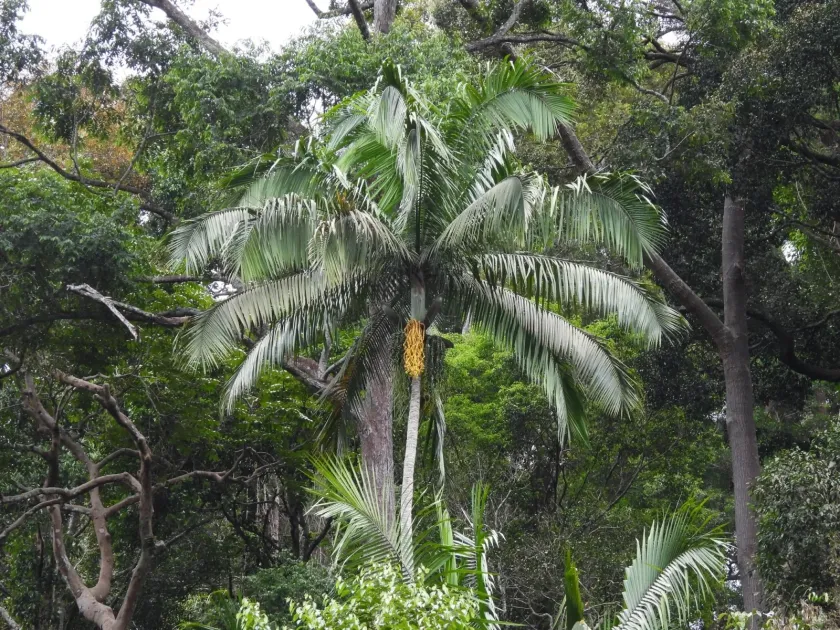
Description
Sowing dates
Propagation of Oncosperma horridum is primarily achieved through seeds. The seeds require a warm and humid environment for germination, often taking several months to sprout successfully under controlled conditions.
A well-draining, nutrient-rich soil mix is crucial for the seedlings. It is recommended to use containers that provide enough space for root development while maintaining a steady level of moisture during the early growth phase.
Once seedlings have developed several true leaves, they can be transitioned to larger pots or prepared nursery beds. Young plants are sensitive to direct exposure to harsh tropical sun and benefit from filtered light during their initial development.
Transplanting into final locations should be done with care to avoid root disturbance. Adequate spacing is necessary to allow for the palm's mature spread and to facilitate air circulation, which prevents the build-up of moisture and pathogens.
In commercial cultivation, selecting the best seeds from healthy, vigorous parent plants is key to ensuring uniform growth and high-quality outcomes for future timber or edible harvests.
Growing requirements
Oncosperma horridum belongs to the Arecaceae family and is native to the tropical rainforests of Southeast Asia. It thrives in environments with high humidity and constant warm temperatures throughout the year.
The palm requires fertile, well-drained soil rich in organic matter. While it prefers consistent moisture, it cannot tolerate waterlogging, which can lead to rapid root decay and plant mortality.
Temperature stability is essential, as the species is highly sensitive to cold spells and cannot withstand freezing temperatures. Ideally, it should be grown in regions where the mercury rarely drops below 20 degrees Celsius.
In terms of sunlight, mature palms prefer bright, open areas, while younger plants require protection from direct sunlight until they have established a robust root system and thicker foliage.
- Regular application of balanced fertilizers during the growing season.
- Consistent moisture management through irrigation in dry spells.
- Mulching the base of the plant to retain soil moisture and suppress weeds.
Yield
The primary economic output of Oncosperma horridum is its timber. The wood is renowned for being exceptionally hard and durable, making it highly prized for flooring, construction, and specialized architectural projects.
The palm also produces edible palm hearts, which are consumed as a delicacy. However, harvesting the heart of the palm results in the death of the tree, which necessitates careful management of the stand to maintain sustainable yield.
Fruit production is generally secondary, used mostly for local consumption rather than large-scale commercial export. The fruits are harvested by hand, a task made difficult by the aggressive spines that cover the trunk.
Timber yield is measured by the quality and density of the mature trunks. A well-managed plantation can provide a sustainable harvest of wood over several decades, provided that replanting cycles are strictly followed.
The cultural and aesthetic value of the palm also contributes to its overall economic impact, particularly in regions where it is integrated into eco-tourism and landscaping projects.
Main diseases and pests
Fungal infections, particularly root rot, represent the most significant threat to the palm. These diseases are often facilitated by improper drainage and excessively wet soil conditions which weaken the plant's structural integrity.
Pests such as the palm weevil pose a major risk to the trunk. The larvae burrow into the stem, causing significant structural damage and providing entry points for other opportunistic infections and pests.
Scale insects and mites can infest the foliage, particularly if the palm is stressed by dry conditions. These pests sap the vitality of the plant, leading to yellowing leaves and reduced growth rates.
Competition from fast-growing invasive weeds can significantly stunt the growth of young palms by depriving them of water and essential soil nutrients during their critical developmental years.
Biosecurity measures, including the regular inspection of plantations and the removal of severely infected individuals, are the most effective strategies for preventing the spread of diseases within the crop.
Harvesting
Harvesting mature timber involves cutting down the trunks, which requires specialized handling to avoid the sharp, black spines that cover the entire length of the stem. Protective equipment is mandatory for all workers.
The extraction of the palm heart is a precise operation that requires identifying the growth point at the top of the trunk. This process is usually timed to ensure the highest quality of the edible tissue.
Post-harvest, the wood must be properly cured to maintain its durability. Because it is highly resistant to insects, the timber often requires minimal chemical treatment before being used in construction.
Fruit harvesting is performed as the fruits reach peak maturity. Since they are perishable, they are typically processed or sold immediately after collection to ensure the best flavor profile for consumers.
Sustainability protocols are essential during harvest to ensure that the ecological balance of the area is maintained and that the palm population remains healthy for future generations.