
Oncosperma fasciculatum
Oncosperma fasciculatum
Description
Growing requirements
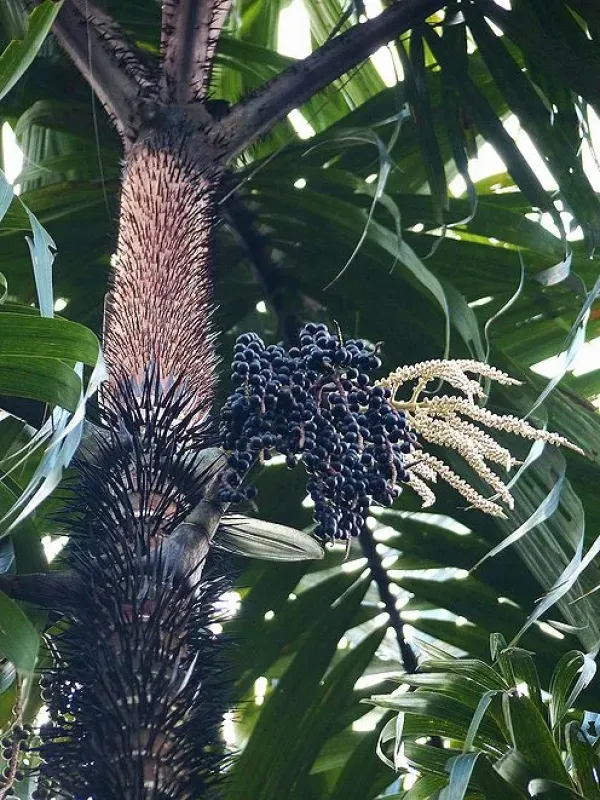
Oncosperma fasciculatum is a member of the Arecaceae family, characterized by its distinctive clustering habit and adaptability to tropical environmental conditions.
The plant requires deep, fertile, and well-draining soils to thrive; it is highly susceptible to root damage in waterlogged or heavy clay soil types.
Optimal growth is observed in high-humidity regions with consistent temperatures that rarely fluctuate below 20 degrees Celsius throughout the year.
Adequate sunlight exposure is necessary for the palm to develop its typical sturdy structure, although young specimens benefit from filtered light during the heat of the day.
Agricultural management should include consistent monitoring of soil nutrient levels, specifically focusing on nitrogen and potassium levels essential for foliage development.
Main diseases and pests
Fungal pathogens represent the primary threat to the vitality of the plant, often induced by improper irrigation techniques and poor soil drainage capacity.
Palm-specific pests, such as the red palm weevil, pose a significant risk as they bore into the trunk and can destroy the plant from the inside out.
Scale insects and spider mites often infest the leaves, particularly when the palm is grown in environments where air circulation is insufficient or stagnant.
Nutrient deficiency symptoms, such as premature yellowing of the fronds, often indicate an imbalance in the rhizosphere or issues with the soil's pH level.
Proactive monitoring and the application of integrated pest management practices are essential to maintaining the health and longevity of Oncosperma fasciculatum plantings.