
Oenocarpus mapora
Oenocarpus mapora
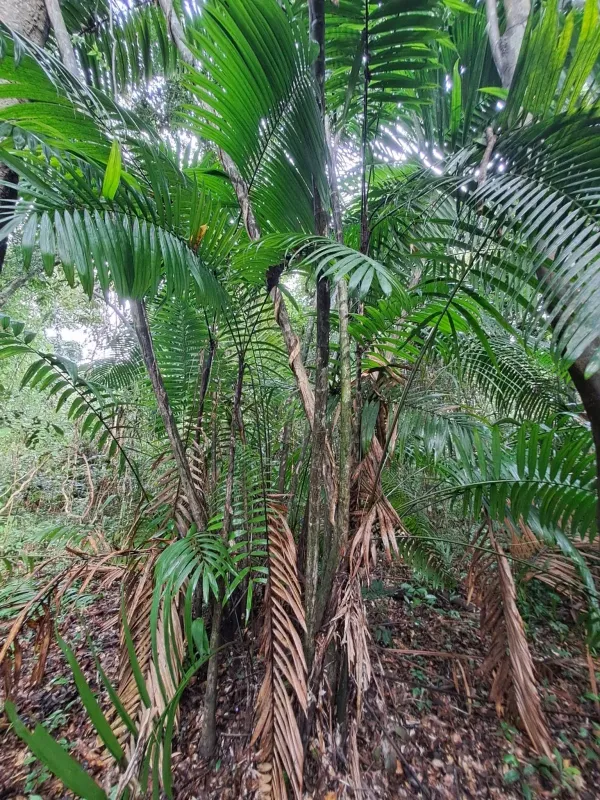
Description
Sowing dates
Oenocarpus mapora is a clustering palm species belonging to the Arecaceae family. Propagation is primarily achieved through seeds, which must be harvested from fully ripe fruits to ensure high germination rates.
Before sowing, seeds require thorough cleaning of the pulp and, ideally, a soaking period of 24–48 hours to improve moisture absorption. Using a porous, well-draining substrate rich in organic matter is essential for successful germination.
The germination process is notably slow, often taking several months to complete. Maintaining constant warmth, ideally between 25°C and 30°C, and consistent high humidity are the primary factors for seedling success.
Young seedlings are highly sensitive to intense sunlight and should be maintained in shaded nurseries until they develop their first set of true, divided leaves. Gradual acclimatization to brighter conditions is recommended before final outplanting.
In nursery settings, spacing between containers is crucial to prevent fungal issues and ensure air circulation. Seedlings are typically ready for transplanting once they reach a height of at least 40–50 cm.
Growing requirements
Oenocarpus mapora thrives in tropical lowland environments, typically found in the Amazon and Orinoco basins. It requires a climate with high humidity and abundant, well-distributed rainfall throughout the year.
The plant is sensitive to low temperatures and will not tolerate frost. It grows best in temperatures ranging from 24°C to 30°C, making it suitable only for strictly tropical regions with minimal seasonal variation.
Soil requirements include deep, fertile, and well-drained conditions. While the palm enjoys moisture, it cannot withstand waterlogged soils, which may lead to rapid root decay and plant stress.
Regarding light exposure, adult palms prefer full sun to maximize fruit production. However, in their juvenile stages, they are tolerant of partial shade, mimicking the conditions of the forest floor.
Wind protection is necessary in plantation settings as the large pinnate leaves can suffer physical damage from strong winds. Planting in areas with natural windbreaks or establishing rows of trees can mitigate this issue.
Yield
The primary agricultural value of Oenocarpus mapora lies in its oil-rich fruits, which are highly nutritious. The pulp contains high-quality fatty acids and proteins, making it an important food source in its native range.
Productivity is highly dependent on plantation management. Mature clusters of fruit are harvested once they reach deep maturity, and a healthy palm can produce several bunches per year under optimal conditions.
The oil derived from Oenocarpus mapora is considered a sustainable alternative to other palm oils. Research into its biochemical properties suggests significant potential for both the food and cosmetic industries.
Apart from the fruits, the palm provides non-timber forest products, including fibers used for local crafts and construction materials, adding to its multifunctional role in sustainable land use.
To maximize yields, nutrient management is essential. Applications of balanced NPK fertilizers, supplemented with micronutrients like magnesium and boron, have shown positive results in stimulating growth and fruiting.
Main diseases and pests
Pests, particularly palm weevils (Rhynchophorus spp.), pose a severe threat as their larvae tunnel into the growing tips and trunks. Regular monitoring and the use of pheromone traps are standard control measures.
Fungal leaf spots and root rots are common, especially when palm density is too high, preventing adequate airflow. Ensuring good sanitation and removing decaying material helps control these pathogens.
Rodents can damage young palms by feeding on the tender base or roots. Protecting the base of juvenile plants with physical barriers is often necessary in new plantation developments.
Nutrient deficiencies, such as magnesium or potassium deficiency, often manifest as yellowing of the foliage. Soil testing is required to apply corrective fertilization and maintain plant vigor.
Phytoplasma diseases transmitted by insect vectors can cause rapid decline. Integrated Pest Management (IPM) strategies, including biological controls and selective insecticide use, are vital to maintaining healthy plantations.
Harvesting
Harvesting Oenocarpus mapora is a skilled manual task. Because the palm can grow tall, harvesters must use climbing techniques or specialized equipment to reach the fruit bunches safely.
Timing the harvest is critical; the fruits must be collected at the peak of maturity to ensure the highest oil content. The color change is the most reliable indicator of harvest readiness.
Post-harvest handling must be swift, as the fruits are perishable and prone to fermentation. They are usually transported to processing facilities within 24 hours of harvest to ensure oil quality.
During transport, fruits should be stored in ventilated containers to prevent heat buildup and moisture condensation, which can lead to rapid fungal growth and lipid degradation.
Modern processing centers often employ rapid cleaning and pulping methods to extract the oil or create fruit pastes, effectively preserving the nutritional integrity of the harvest.