
Nannorrhops
Nannorrhops
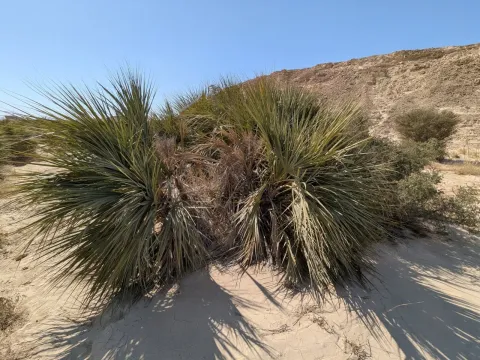
Nannorrhops is a unique genus of flowering plants in the Arecaceae family. These palms are distinguished by their clump-forming habit, which allows them to develop multiple stems from a single rootstock, providing a distinctive architectural form.
What the section contains

Nannorrhops
Native to regions spanning from the Arabian Peninsula to Pakistan, this plant is naturally adapted to arid and semi-arid climates. Its evolution in harsh environments has resulted in high tolerance for extreme heat and varying temperature conditions.
When cultivating Nannorrhops, well-draining soil is a mandatory requirement. The plant thrives in sandy or rocky substrates and struggles significantly in heavy or clay-heavy soils that tend to retain excess moisture for long periods.
Climatic requirements focus on high solar radiation. Nannorrhops requires full sun exposure to maintain its compact growth structure and vibrant leaf coloration. Insufficient light often leads to leggy growth and increased vulnerability to disease.
Agrotechnical management involves minimal irrigation once the plant is established. It is crucial to monitor for waterlogging, as the roots are highly sensitive to anaerobic conditions, which can lead to quick decline and tissue death.
The economic value of Nannorrhops is primarily associated with artisanal use. The leaves provide durable fibers that are traditionally harvested for weaving baskets, mats, and other structural household items in its native range.
In contemporary settings, the plant serves as a vital component in xeric landscaping. Its ability to thrive in poor soils and under intense heat makes it a sustainable choice for urban environments, reducing the need for intensive maintenance.
The primary threats to the health of Nannorrhops include various fungal root rots. These are usually precipitated by improper drainage or excessive irrigation cycles, which weaken the plant's natural defense mechanisms against soil-borne pathogens.
In terms of pests, spider mites and scale insects represent the most significant threats to greenhouse-grown or ornamental specimens. Proactive management includes maintaining adequate ventilation and using targeted insecticidal treatments to keep populations below the economic injury level.