
Oenocarpus bataua
Oenocarpus bataua
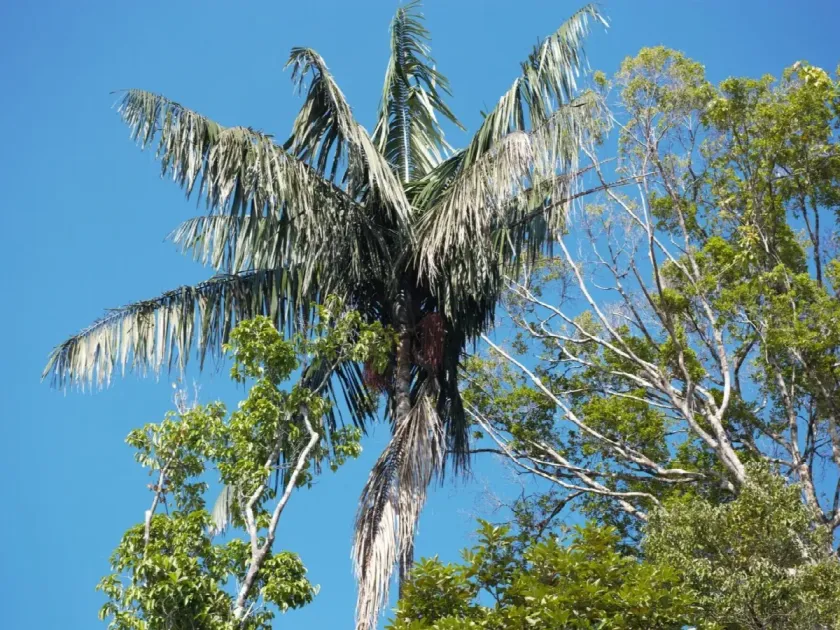
Description
Sowing dates
Propagation of Oenocarpus bataua is primarily achieved through seeds. Fresh seeds possess relatively high germination rates, though they benefit significantly from soaking or mechanical scarification to soften the hard outer coat and initiate the germination process more uniformly.
The optimal sowing time aligns with the onset of the rainy season, ensuring that emerging seedlings have constant access to soil moisture during their critical establishment phase. Nurseries utilize light, well-draining organic substrates to prevent root decay in the early stages.
Seedlings are typically transplanted to their permanent locations when they are between 8 and 12 months old. Protecting young plants from direct, harsh sunlight during the first year is essential, as they naturally grow under the canopy of tropical forests.
Planting density is typically set at 7 to 9 meters apart to allow sufficient space for crown development. This spacing ensures that each tree receives adequate sunlight and soil nutrients, which are vital for long-term health and fruit production efficiency.
Maintaining soil moisture via mulching the base of the seedlings is a recommended agronomic practice. This reduces evaporation and suppresses weeds, providing the young palm with a competitive advantage during its initial years of growth in the field.
Growing requirements
Oenocarpus bataua is a palm belonging to the Arecaceae family, native to the tropical forests of South America, particularly the Amazon basin. It thrives in humid tropical climates characterized by high rainfall and the absence of prolonged dry spells.
The species prefers deep, well-drained loamy soils rich in organic matter. While the palm is somewhat adaptable, it requires excellent drainage, as waterlogged conditions inhibit root respiration and can lead to rapid decline in plant health.
Ideal temperatures for this palm range between 22 and 32 degrees Celsius. It is highly sensitive to cold, and frost exposure is fatal, which restricts its commercial cultivation to strictly equatorial regions where thermal stability is maintained year-round.
Although the palm is sun-tolerant as a mature specimen, it requires filtered light during its youth. In plantation settings, canopy management ensures that individual palms get enough light to maximize photosynthesis without suffering from heat stress.
Proper nutrient management is essential for productivity. Periodic application of balanced organic fertilizers, mimicking natural forest debris, supports steady vegetative growth and high-quality fruit development throughout the productive lifecycle of the tree.
Yield
The yield of Oenocarpus bataua is measured by the fruit clusters produced annually. A mature tree can yield between 10 to 30 kilograms of fruit per year, depending on the specific environmental conditions and the quality of plantation management.
Commercial utilization focuses on the extraction of high-quality oil, which is nutritionally similar to olive oil. The fruit pulp is also rich in essential amino acids and healthy fatty acids, making it a valuable food source in its native distribution range.
The palm begins to produce fruit in significant quantities around 8 to 10 years of age. This represents a long-term agricultural commitment, as the tree remains productive for several decades, providing a sustainable income source for local growers.
Fruit processing technologies have advanced to allow cold-pressing, which preserves the antioxidant content and quality of the oil. This makes the product highly sought after in both the culinary and cosmetic industries for its health and wellness properties.
Continuous improvements in plantation husbandry, including selective pruning and optimized nutrition, have shown potential for increasing fruit yields significantly. Sustainable practices ensure that the palm remains a cornerstone of the regional bio-economy.
Main diseases and pests
Primary pests for Oenocarpus bataua include various species of weevils and wood-boring beetles. Larvae can tunnel into the growth point or the stem, causing significant structural damage and potentially leading to the death of the tree if left untreated.
Fungal infections, such as leaf spot and root rot, represent risks in humid conditions. Implementing proper spacing and regular sanitation, such as removing dead fronds, improves airflow within the crown and reduces the incidence of pathogen spread.
Leaf-eating insects can decrease the total foliage area, directly impacting the tree's photosynthetic capacity. Biological control methods are increasingly used on plantations to manage these pests effectively while maintaining environmental standards.
Small rodents can damage the root systems of younger palms during their initial establishment. Installing protective barriers around the base of the trunk during the first two years of growth is a simple yet effective strategy to prevent these losses.
Strict phytosanitary monitoring is recommended for all plantation materials. By inspecting new saplings for signs of infestation and ensuring regional biosecurity, growers can prevent the introduction and spread of serious agricultural pests.
Harvesting
Harvesting is a highly skilled task due to the significant height of the palms, which can grow up to 25 meters. Skilled harvesters use specialized climbing gear and long-pole cutting tools to detach the heavy fruit clusters from the crown.
The harvest timing is determined by the color change of the fruit, which turns dark purple when mature. This signals the optimal oil content, and timing the harvest correctly is essential for maximizing the quantity and quality of the extracted product.
Rapid transport to the processing facility is mandatory after harvesting to prevent fermentation. In the high heat of the tropics, post-harvest degradation can occur quickly, which would negatively impact the acidity and flavor profile of the oil.
Using padded containers or collection nets reduces physical impact and damage to the fruits during the descent from the canopy. Preserving the integrity of the fruit until processing is a key step in achieving premium market grades.
While some regional seasonality exists, harvests often occur multiple times throughout the year in stable equatorial climates. This staggered harvesting approach helps manage labor and processing capacity effectively, ensuring steady product throughput.