
Walking stick palm
Linospadix monostachyus
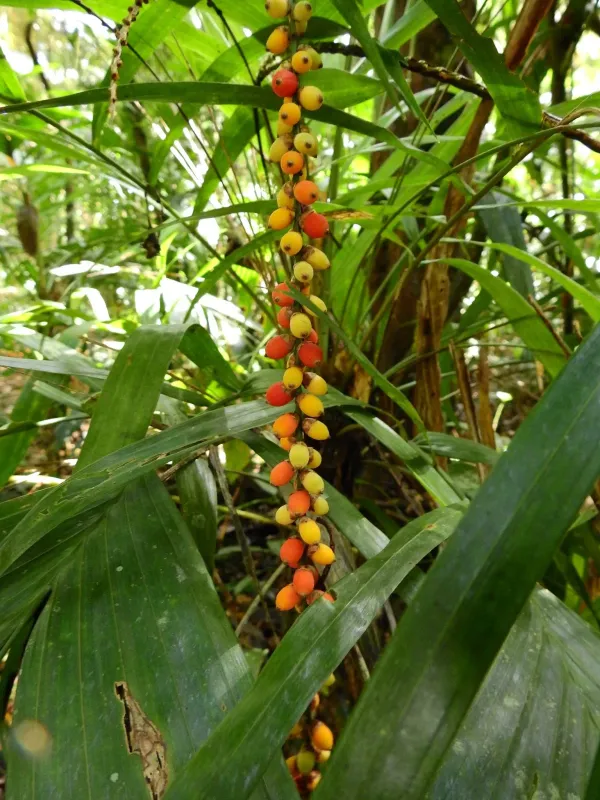
Description
Growing requirements
The Walking stick palm, scientifically known as Linospadix monostachyus, is a unique member of the Arecaceae family native to the rainforests of eastern Australia. It is a slow-growing species typically found in the dense understory of its natural habitat.
Regarding light requirements, this palm prefers shade or filtered light. Direct sunlight can easily scorch its delicate fronds, so placing it in a location with bright indirect light is critical for maintaining healthy foliage color and growth rates.
Soil quality is paramount for this species. It demands a well-draining, nutrient-rich potting mix that mimics forest floor conditions. Incorporating compost, peat moss, and coarse sand into the growing medium helps prevent waterlogging of the roots.
Temperature stability is highly beneficial, ideally ranging from 20 to 25 degrees Celsius. While it can withstand slight fluctuations, it is sensitive to frost and extreme cold, which can cause permanent damage to its cellular structure.
Hydration should be consistent, ensuring the soil remains moist but never waterlogged. During the growing season, a balanced liquid fertilizer diluted to half-strength can be applied to support the steady, albeit slow, development of new leaves.
Main diseases and pests
Root rot is the most significant threat to the Walking stick palm, almost always stemming from poor drainage or overwatering. Once root rot takes hold, it can be difficult to reverse, making prevention through proper soil aeration essential.
Spider mites are common pests that thrive in dry indoor environments, often infesting the undersides of the fronds. Regular misting and keeping the plant in a humid area act as effective deterrents against these microscopic pests.
Scale insects and mealybugs can occasionally appear, feeding on the palm's sap and leading to yellowing leaves. Manual removal with a cotton swab dipped in alcohol is often the best initial response for light infestations.
Fungal leaf spot diseases can emerge if the plant is kept in an environment with stagnant, humid air. Promoting good airflow around the plant is a simple but effective strategy to keep the foliage clean and healthy.
Leaf yellowing or browning is typically an indicator of environmental stress rather than disease. By monitoring the soil moisture and air humidity, growers can quickly identify and fix the underlying issues affecting the palm's health.