
Cyphokentia macrostachya
Cyphokentia macrostachya
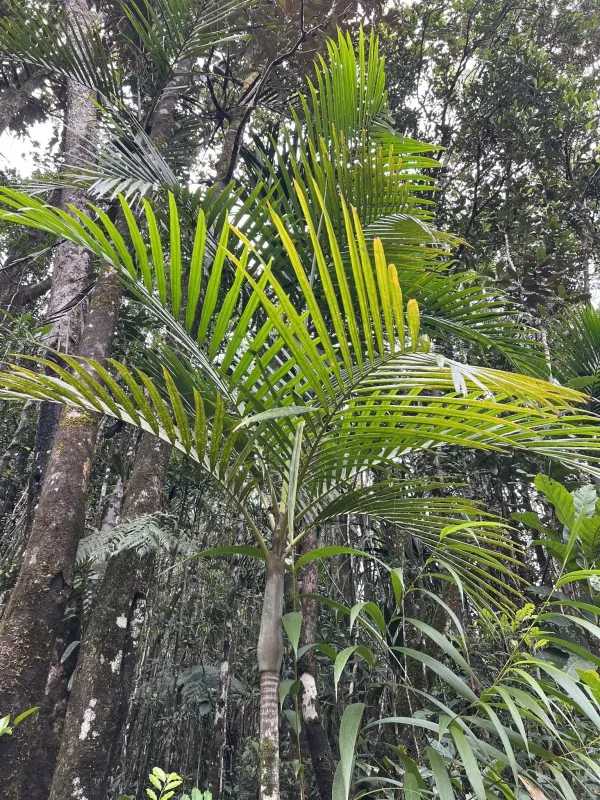
Description
Sowing dates
Propagation of Cyphokentia macrostachya is primarily achieved through seeds. To ensure successful germination, seeds should be sown in a sterile, well-draining substrate while maintaining a consistent temperature range of 25–30 degrees Celsius.
The medium must remain moist but not waterlogged, as excessive moisture often leads to fungal development before the seed has a chance to sprout. Using a propagation box or a greenhouse environment helps maintain the necessary humidity levels.
The germination period can be quite extensive, requiring patience from the grower. Once the primary leaves emerge, the seedlings are delicate and must be handled with care to avoid root disturbances during the initial repotting phase.
Gradual acclimation is essential for young plants as they move from the germination chamber to standard greenhouse conditions. Avoiding direct light during the first few months of growth is crucial for the development of healthy foliage.
Proper sanitation in the nursery environment is vital to prevent the damping-off of young seedlings. Utilizing high-quality organic components in the potting mix will provide the necessary nutrients for the long-term vigor of the young palm.
Growing requirements
Cyphokentia macrostachya is a rare and distinct species belonging to the Arecaceae family, native to the lush, montane rainforests of New Caledonia. This palm thrives in regions characterized by high annual rainfall and constant humidity.
The climate requirements for this plant are stringent; it requires year-round warmth, avoiding any temperatures below 18-20 degrees Celsius. It is not cold-hardy and will suffer significant damage if exposed to sudden thermal drops.
The soil should be rich in organic matter, slightly acidic, and highly porous. A typical mix includes peat moss, perlite, and coarse sand to mimic the natural forest floor litter where these palms typically establish their root systems.
Light intensity should be kept at a moderate, indirect level. In a controlled environment, shading is often necessary to prevent the scorching of leaves, which are prone to damage under harsh, direct sunlight or dry, gusty wind conditions.
Maintenance of high ambient humidity is the most critical factor for successful indoor cultivation. Without humidity levels consistently above 60-70%, the tips of the fronds may brown, and the overall aesthetic value of the palm will decline.
Main diseases and pests
Spider mites, scale insects, and mealybugs are the most common pests associated with this palm. They tend to infest the plant when environmental conditions deviate, particularly when humidity drops too low or ventilation is poor.
Root rot, driven by overwatering or inadequate drainage, remains the most significant threat to the health of the plant. Once the root system is compromised, the palm rarely recovers, making preventative watering practices essential.
Regular inspection of the foliage, especially the underside of the leaves and the base of the fronds, allows for the early detection of pest colonies. Mechanical removal or mild insecticidal soaps are preferred methods for control.
Fungal leaf spot diseases may appear if there is stagnant air in the growing area. Improving airflow through the use of small fans can significantly reduce the risk of such infections in greenhouse settings.
Consistent monitoring and maintaining a balanced fertilization schedule will bolster the plant's natural defenses, ensuring that the palm remains robust against potential opportunistic pathogens.