
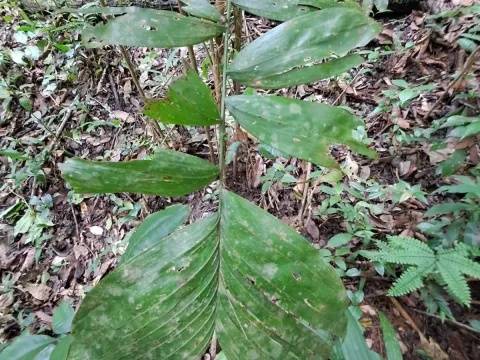
Bactris maraja
Bactris maraja
Propagation of Bactris maraja is primarily achieved through seeds. The seeds should be planted immediately after extraction from the fruit, as their viability decreases significantly with time and improper storage conditions.
What the section contains
Bactris maraja
For optimal germination results, it is recommended to soak the seeds in warm water for 24 to 48 hours to soften the hard outer coat. A light, well-draining, and nutrient-rich potting medium is essential for successful seedling development.
Maintaining a consistent temperature between 25 and 30 degrees Celsius is crucial for triggering germination. The substrate should be kept consistently moist but not waterlogged to prevent seed rot during the initial stages.
Seedlings require protection from direct sunlight in the early months. A partially shaded nursery environment mimics the forest floor conditions and prevents leaf scorch while the young plants establish their root systems.
Transplanting to the field should occur when the plants reach a height of approximately 30 to 40 centimeters. Adequate spacing between individuals is necessary to accommodate their natural clumping growth habit.
Bactris maraja is native to humid tropical rainforests and requires high levels of air and soil humidity for optimal growth. It performs best in environments where there is no prolonged dry season.
The species thrives in deep, humus-rich loamy soils with a neutral or slightly acidic pH. Effective soil drainage is paramount, as the plant is susceptible to root damage if subjected to standing water for extended periods.
While the plant shows tolerance to shade, adequate dappled light is necessary to support vigorous growth and fruit production. It typically occupies the understory layer where light levels are sufficient for photosynthesis.
In its natural habitat, the plant can tolerate periodic flooding, making it a potentially resilient crop for low-lying, seasonally wet tropical regions where other species might fail.
Agricultural management should include regular application of balanced organic fertilizers, specifically those rich in potassium and magnesium. Mulching the base of the plant helps maintain soil moisture stability.
Bactris maraja is a multi-stemmed palm that typically grows to a height of 3 to 5 meters. Under suitable agricultural conditions, the plant begins to bear fruit within 3 to 5 years after planting.
The fruit develops in clusters of small, round berries that transition to a dark purple or black color when fully ripe. The pulp is edible and possesses a distinct, pleasant tropical flavor that is valued locally.
Yield varies based on planting density and the level of management. Well-maintained clumps can produce significant amounts of fruit per season, contributing to local food security and household income.
The fruits are consumed fresh or used in the production of juices, beverages, and traditional desserts. Due to their perishability, they are usually consumed or processed shortly after harvesting.
Young shoots and certain parts of the palm are occasionally used in traditional cuisines, highlighting the versatile nature of the plant in diversified agroforestry systems.
The primary pests affecting Bactris maraja include palm weevils and various scale insects, which can cause significant damage to the leaves and developing stems if infestations are not controlled.
Fungal leaf spot diseases may occur in environments with poor air circulation and excessive humidity. Regular thinning of foliage and maintaining site sanitation are essential preventative measures.
Root rot remains a major threat, particularly in soils with poor aeration. Ensuring appropriate site selection and drainage management are the most effective strategies to prevent long-term crop loss.
Viral infections can cause leaf deformation and reduced overall vigor. Monitoring for early signs of disease and removing infected plants are necessary to prevent the spread to healthy sections of the plantation.
The use of biological controls for pests is highly recommended to ensure the safety of the fruit for human consumption and to preserve the ecological balance of the surrounding area.
Harvesting of Bactris maraja is conducted manually, targeting clusters that show a deep purple or black coloration, which indicates full biological maturity and optimal sugar content.
Due to the presence of spines on the stems and leaves, workers must wear protective clothing and gloves during the harvest process. This practice ensures worker safety and prevents injury during the manual picking of fruit clusters.
Care must be taken to minimize physical damage to the fruit clusters during transport. Using shallow, ventilated crates helps maintain the structural integrity of the delicate fruits until they reach the market.
Since fruit ripening within a single cluster may not be uniform, the harvest period is often staggered, requiring multiple visits to each plant to gather the fruit at its peak quality.
Post-harvest storage should be kept short, ideally in a cool, shaded environment. Fresh consumption or immediate processing is standard to capture the best nutritional and flavor profiles of the harvest.