
Bactris acanthocarpa
Bactris acanthocarpa
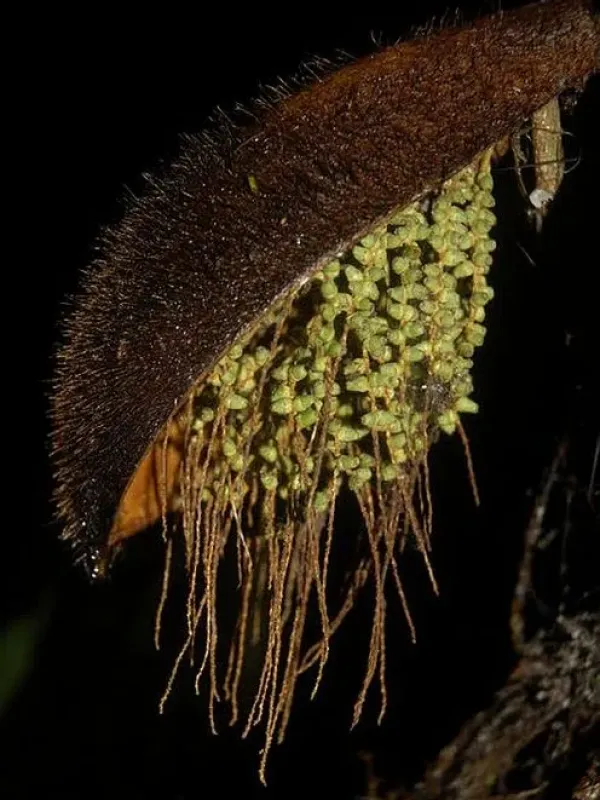
Description
Growing requirements
Bactris acanthocarpa is a member of the Arecaceae family, originating from the humid rainforests of Central and South America. It is a perennial plant characterized by its distinct thorny stems and leaves.
The crop requires a tropical climate to thrive, demanding consistent temperatures between 20 and 30 degrees Celsius. It cannot tolerate frosts or prolonged dry periods, making its cultivation area strictly limited to tropical zones.
Soil requirements involve well-drained, nutrient-rich substrates. The plant performs best in alluvial or loamy soils that maintain moisture without becoming waterlogged, as root rot is a common risk.
Optimal growth is achieved under canopy shade or filtered sunlight. High ambient humidity is essential for the healthy development of its foliage and overall vigor in plantation settings.
Due to its biological nature, this palm requires significant space for root development. In agroforestry systems, it is often intercropped with larger canopy trees to mimic its natural habitat.
Harvesting
Harvesting the fruit of Bactris acanthocarpa is a labor-intensive process due to the presence of sharp spines on the stems. Manual collection is the standard method, requiring high levels of caution and protective equipment.
The timing of the harvest is determined by the color and texture of the fruit, which signal peak ripeness. Producers often perform selective harvesting to ensure only high-quality produce is collected.
Post-harvest handling is critical because the fruit is perishable and prone to rapid degradation in high-temperature environments. Processing must happen shortly after the fruit is removed from the tree.
In addition to fruits, some practitioners harvest the fibrous parts of the plant for traditional weaving and material production. This involves cutting mature stems or leaf stalks during the dry season.
Standardized harvesting protocols focus on maximizing yield while minimizing damage to the mother plant. This allows for sustainable production over several consecutive seasons in managed environments.