
Bactris major
Bactris major
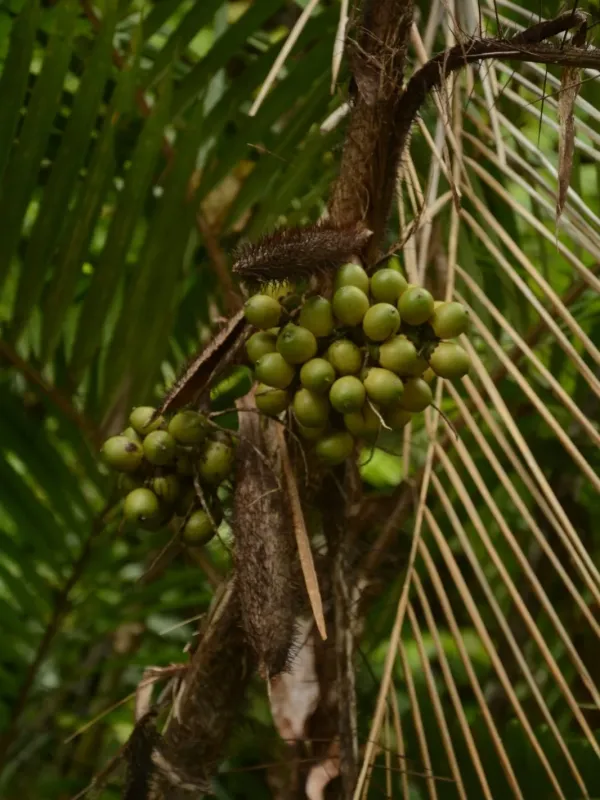
Description
Growing requirements
Bactris major is a notable species within the Arecaceae family. This clustering palm is characterized by its multiple stems, which are often protected by sharp spines, forming dense, shrub-like colonies in its natural habitat.
The species originates from the tropical regions of Central and South America. It typically thrives in humid environments such as lowland tropical forests and riparian zones, where it benefits from consistent moisture levels.
Climate requirements for this palm are strictly tropical; it demands high temperatures throughout the year and is unable to tolerate frost. An ideal environment provides high atmospheric humidity and protection from harsh, drying winds that can shred its pinnate leaves.
Regarding soil conditions, Bactris major performs best in deep, fertile, and well-drained soils. While it appreciates high moisture, it requires adequate soil aeration to prevent root rot, which can occur in stagnant, waterlogged environments.
Cultivation involves consistent irrigation and nutrient supplementation during the growing season. Nitrogen-rich fertilizers are particularly effective in promoting the development of the lush foliage typical of this botanical species.
Harvesting
The economic value of this plant lies primarily in its edible fruit. The fruits are harvested when ripe and are consumed in various culinary traditions within its native range, providing essential nutrients and regional dietary variety.
The plant also serves functional purposes in agroforestry. Due to its spiny stems, it is frequently utilized to establish natural security barriers or fences, simultaneously acting as an erosion control measure in vulnerable tropical landscapes.