
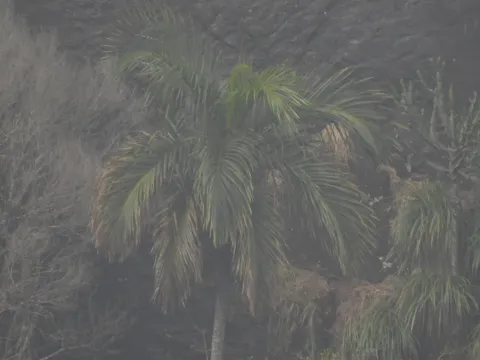
Bentinckia
Bentinckia
Bentinckia is a genus of flowering plants in the Arecaceae family. These palms are native to tropical environments, with Bentinckia nicobarica originating from the Nicobar Islands and Bentinckia condapanna found in the Western Ghats of India.
What the section contains


Bentinckia
The climate requirements for this culture are strictly tropical. They thrive in regions with high average temperatures throughout the year and are extremely sensitive to cold snaps and frost. In cultivation, they are best suited for greenhouse environments where temperature stability can be guaranteed.
Soil conditions must prioritize drainage while maintaining consistent moisture. The ideal substrate is rich in organic matter, slightly acidic, and well-aerated to prevent root asphyxiation, which is a common issue in compacted potting mixes.
Hydration management is key for healthy growth. While they enjoy a humid environment, the soil should not be waterlogged. Regular, controlled watering is preferred over irregular, heavy soaking to mimic the natural rainfall patterns of their native tropical habitats.
Lighting should be bright but filtered. Intense direct sun can cause leaf scorch, especially in juvenile specimens. Providing appropriate shade levels during the hottest parts of the day is essential for maintaining the aesthetic quality of the palm fronds.
Root rot pathogens are the most significant threat to Bentinckia palms. These fungi thrive in overly wet or poorly drained soils, often leading to rapid decline of the plant if not addressed through moisture control and fungicide application.
Palm weevils represent a major biological threat, as they bore into the growing point of the palm. This damage is often irreversible and necessitates strict monitoring and the use of targeted systemic insecticides during peak pest activity seasons.
Scale insects and mealybugs can pose persistent issues in indoor or greenhouse settings. They feed on plant sap and can weaken the palm, making it susceptible to secondary infections; manual removal and insecticidal soaps are recommended treatments.
Spider mites frequently attack these palms in dry, low-humidity environments. Maintaining high ambient humidity levels and regular misting can serve as a primary preventative measure against infestation.
Proper sanitation is vital to avoid disease spread. Tools should be disinfected between prunings, and any infected or dead foliage must be removed promptly to eliminate potential breeding grounds for pathogens and pests.