
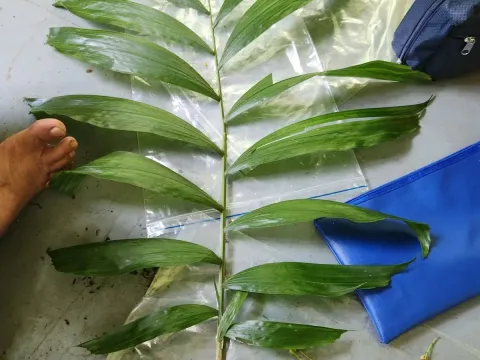
Balaka
Balaka
The genus Balaka belongs to the family Arecaceae. These palms are native to the tropical forests of the Fiji Islands and represent a group of rare, ornamental plants.
What the section contains

Balaka
Balaka palms thrive in environments with high humidity and consistent tropical temperatures. They are known for their slender trunks and elegant, pinnate foliage structures.
For successful cultivation, a well-draining potting medium rich in organic matter is essential. Poor drainage is the most common cause of root death in these species.
These plants require bright, indirect sunlight to maintain their vibrant green color. Exposure to harsh, direct midday sun can result in significant leaf scorching.
Consistent moisture levels in the growing medium are crucial throughout the active growing season, combined with regular misting to maintain high ambient humidity.
Spider mites are the most frequent pests affecting the Balaka genus, especially in dry indoor conditions. They thrive when humidity levels drop below 50 percent.
Mealybugs often infest the undersides of leaves and leaf axils. Mechanical removal or specialized horticultural soaps are recommended for control.
Root rot caused by Oomycetes or various soil-borne fungi is a major threat. It is strictly recommended to avoid "wet feet" by ensuring pots have adequate drainage holes.
Leaf spot diseases can occur if the foliage remains wet for extended periods without adequate air circulation. Keeping the leaves dry and ensuring airflow prevents outbreaks.
Proper sanitation, including the removal of dead tissue and the use of sterile tools, is vital to prevent the spread of infections within a palm collection.