
Beccariophoenix
Beccariophoenix
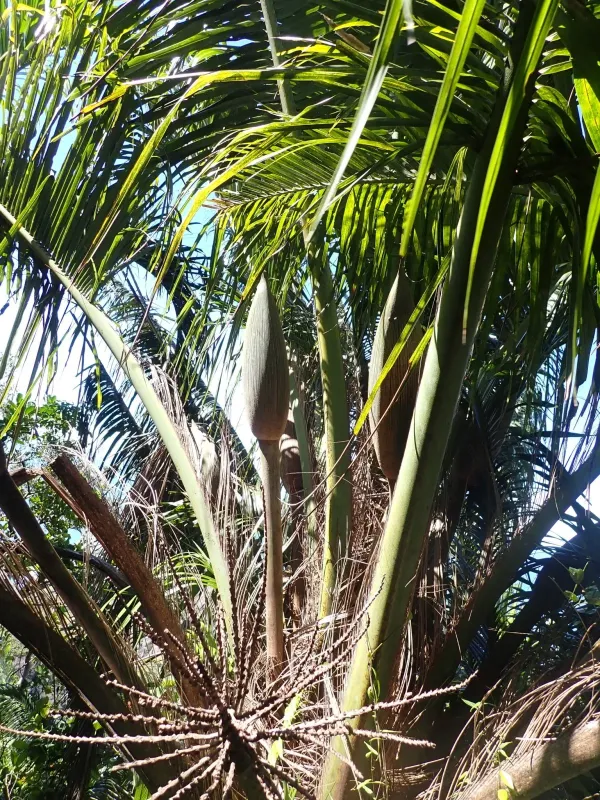
Description
Growing requirements
Beccariophoenix is a genus of flowering plants belonging to the family Arecaceae. Native to Madagascar, these palms are known for their striking appearance, resembling the coconut palm, and are highly valued in tropical landscaping for their robust structure.
The cultivation of this genus requires a warm, tropical climate. While some species, such as Beccariophoenix alfredii, demonstrate significant cold tolerance compared to other tropical palms, they still perform best when protected from extreme frost and prolonged freezing temperatures.
Soil requirements are centered on excellent drainage and fertility. The ideal growth medium is a well-aerated mix rich in organic matter, which allows the root system to breathe while retaining enough moisture to sustain the plant during dry periods.
Light exposure is a critical factor for the healthy development of these palms. Mature specimens thrive in full sun, while younger plants require partial shade to protect their foliage from scorching. Gradually acclimatizing the plant to higher light levels is recommended.
Irrigation practices must balance hydration with drainage. Consistent moisture is vital, especially during the peak growing season, but water should never sit around the roots. Using mulching techniques can help stabilize soil moisture levels and protect roots from heat stress.
Main diseases and pests
Common pests affecting Beccariophoenix include spider mites, mealybugs, and scale insects. These pests often congregate on the undersides of leaves or within the leaf crown, potentially causing damage that manifests as yellowing or spotting on the fronds.
Fungal pathogens represent the most significant threat to the root system. Overwatering or poor drainage often leads to conditions favorable for root rot, which is difficult to treat once the symptoms become clearly visible in the palm foliage.
Leaf spot diseases can occur under conditions of high humidity and poor air circulation. Improving ventilation around the palm is an essential cultural practice to reduce the prevalence of fungal spores and prevent outbreaks of leaf blight.
Nutrient deficiencies, particularly involving potassium or magnesium, can weaken the plant and make it more susceptible to opportunistic diseases. Regular application of palm-specific fertilizers is essential to maintain plant health and natural defense mechanisms.
Monitoring for pest presence should be routine. Early detection allows for physical removal or the application of horticultural oils, which are generally safer for the environment than broad-spectrum synthetic pesticides in home or greenhouse settings.