
Bactris guineensis
Bactris guineensis
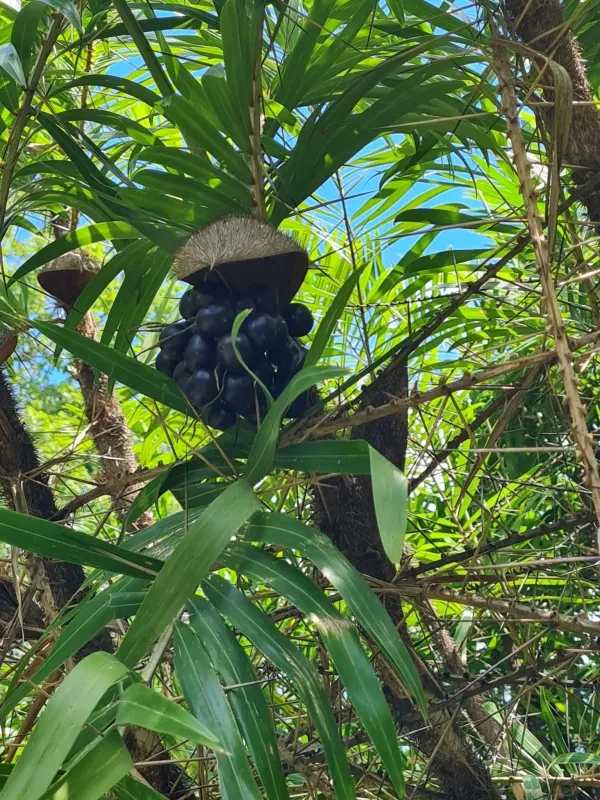
Description
Sowing dates
Bactris guineensis is a perennial palm species belonging to the Arecaceae family, primarily native to tropical regions. Propagation is mainly achieved through seeds, which require specific temperature and moisture conditions to break dormancy and ensure high germination rates.
In nursery settings, seeds should be sown in a well-draining, nutrient-rich substrate. Maintaining a constant soil temperature between 25 and 30 degrees Celsius is crucial, as the seeds have a tough endocarp that necessitates consistent warmth to facilitate emergence.
Pre-treatment of seeds, such as soaking in warm water for several days, is often recommended to accelerate the germination process. Seedlings require a protected environment during the early stages, as they are vulnerable to extreme temperatures and direct desiccating winds.
Transplanting into the permanent field site should be performed when the seedlings have established a robust root system. Care must be taken during the transition to avoid transplant shock and to ensure proper orientation relative to the sun.
Given the slow growth rate of this palm, weed control around the base of the plant is essential during the first few years to prevent competition for essential soil nutrients and light, which can significantly stunt development.
Growing requirements
As a tropical species, Bactris guineensis demands a warm and humid environment for optimal growth. It is highly sensitive to frost and sudden temperature drops, which can lead to cellular damage and cessation of vegetative development.
The ideal soil profile consists of deep, fertile, and well-aerated soil. It performs best in substrates that provide excellent drainage, as saturated soils increase the risk of root rot pathogens, which the palm is susceptible to in high-humidity climates.
Light requirements vary with the age of the plant. While juveniles benefit from filtered sunlight to prevent leaf scorching, mature specimens require high levels of solar radiation to sustain the metabolic processes required for flowering and fruiting.
Irrigation management is a critical component of the crop's agrotechnology. The plant requires consistent soil moisture, especially during the dry season, to maintain leaf turgor and facilitate the development of high-quality fruit clusters.
Nutrient management should focus on applying balanced organic fertilizers that provide both macro- and micronutrients. Regular mulching around the base helps retain soil moisture, suppress weeds, and eventually contributes to soil fertility as the organic matter decomposes.
Main diseases and pests
The primary threats to Bactris guineensis include various fungal infections, particularly those that affect the root system and the stem. Poor drainage is the most common cause of root rot, which can be fatal to young and mature trees alike.
Insect pests such as palm weevils and various species of scale insects can also cause significant damage. These pests often bore into the growing point of the palm, which can result in the loss of the apical meristem and the eventual death of the plant.
In humid tropical environments, leaf spots caused by fungal pathogens can affect photosynthetic efficiency. Maintaining proper air circulation between plants is a recommended cultural practice to mitigate the spread of these airborne spores.
Nematodes are another potential underground threat that can affect nutrient uptake by damaging roots. Implementing crop rotation or using disease-free soil amendments at planting are standard preventive measures.
Effective monitoring and early detection are vital for the health of the palm. Regular inspections for signs of yellowing leaves, boring holes in the stem, or visible pest infestations allow for timely intervention, such as pruning or targeted treatments.
Harvesting
Harvesting the fruit of Bactris guineensis is a meticulous task, often complicated by the presence of spines on the stems and leaves of the plant. Harvesters must use protective gear and specialized tools to safely collect the ripe fruit bunches.
The harvest timing is determined by the color and texture of the fruits. When the fruit reaches its mature color, it generally becomes softer and more aromatic, signaling the peak time for collection to ensure the best quality for consumption or processing.
Post-harvest handling is critical because the fruits are highly perishable. They should be transported to collection centers immediately after harvesting to prevent spoilage and maintain their nutritional value, especially in the heat of tropical climates.
Yield productivity is linked to the overall health of the palm stand and the environmental conditions provided. Proper spacing and consistent irrigation significantly influence the weight and frequency of fruit harvests throughout the year.
Once collected, the produce is utilized in various ways, including fresh consumption or as an ingredient in local beverages and culinary dishes. Its value in the local market makes it an important component of sustainable small-scale agricultural practices.