
Amarcrinum memoria-corsii
Amarcrinum memoria-corsii
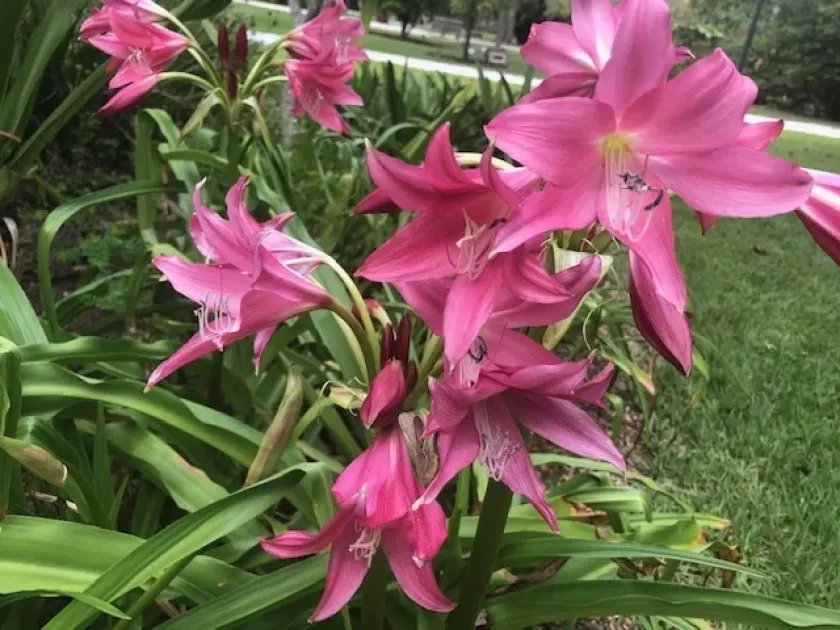
Description
Sowing dates
Amarcrinum memoria-corsii is a significant intergeneric hybrid resulting from the crossing of Amaryllis belladonna and Crinum moorei. Planting is best performed in the spring, allowing the bulb to establish itself before the onset of the active growing season.
When planting, it is crucial to position the bulb at the correct depth, usually with the neck just above or at the soil surface. This prevents moisture accumulation around the basal plate, which can otherwise lead to rot.
Spacing should be ample, providing about 35-40 cm between bulbs to encourage healthy airflow and prevent the buildup of stagnant humidity, which is often a precursor to fungal infections.
In cooler climates, cultivation is often restricted to pots. This method allows for mobility, ensuring that the bulbs can be moved to frost-free locations during the winter, protecting the tender tissues from freezing damage.
Propagation is primarily achieved by separating offsets from the main bulb during the dormant period. This vegetative method preserves the specific characteristics of this hybrid, which does not always come true from seeds.
Growing requirements
The plant thrives in full sun, requiring intense light to produce its characteristic floral displays. While it tolerates partial shade, excessive shade usually results in poor growth and a lack of bloom production.
Soil quality is paramount; the substrate must be well-drained and friable. A mixture of loamy soil with added grit or sharp sand is ideal, as it ensures excess water drains quickly away from the roots.
Watering requirements follow the plant's seasonal cycle. During the growing season, moderate water is needed, but the substrate must be allowed to dry out slightly between waterings to maintain bulb health.
Fertilization should be handled with care, focusing on potassium and phosphorus for flowering. High-nitrogen fertilizers should be avoided late in the season to prevent weak, succulent growth that is susceptible to frost.
Protection from severe frost is essential. Even in milder climates, a thick layer of mulch around the base of the plant can provide the necessary insulation to protect the bulb from sudden winter temperature drops.
Main diseases and pests
The most significant threats to Amarcrinum include bulb rot and fungal pathogens, typically caused by poor drainage or excessive soil moisture. Preventive fungicide application during the dormant season can be effective.
Pests such as thrips and bulb mites can severely weaken the plant by feeding on the leaves and bulb tissues. Integrated pest management, including regular inspection and targeted insecticide use, is recommended.
Gastropods, including slugs and snails, often feed on the foliage during cool, damp spring weather. Barriers or bait traps around the plantings are standard methods for mitigating this physical damage.
Nematodes, while less frequent, can cause severe stress, leading to stunted growth or bulb deformation. Using sterile soil and clean tools is the best preventive strategy against soil-borne pathogens.
Viral infections may manifest as mosaic patterns on the leaves. As these diseases are untreatable, infected plants should be removed and destroyed to prevent spread to healthy specimens.