
Bactris mexicana
Bactris mexicana
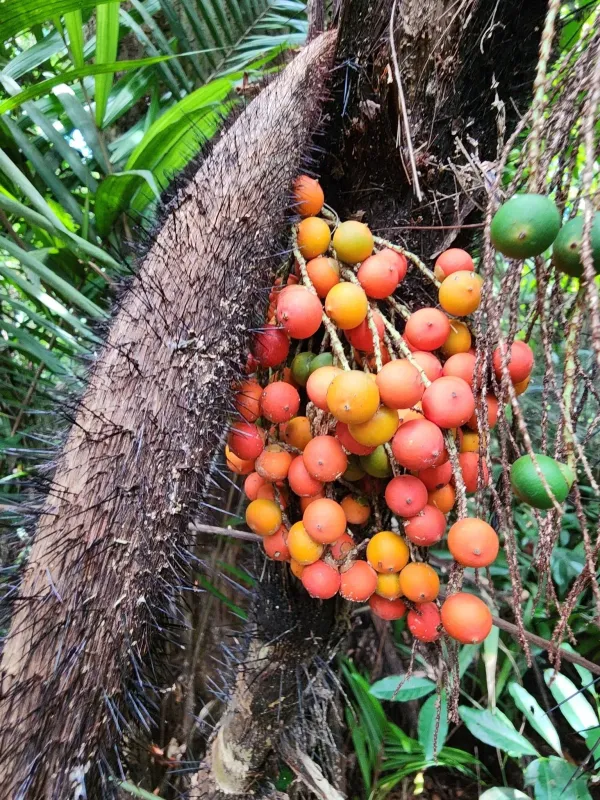
Description
Growing requirements
Bactris mexicana is a perennial plant species belonging to the Arecaceae family. This palm is recognized for its clustering growth habit, producing multiple slender, spiny stems that can form dense thickets in its native environment.
The origin of this species is traced to the tropical rainforests of Central America, spanning from Mexico to parts of South America. It typically occupies the understory layer, thriving in shaded and humid conditions of forest ecosystems.
The climate requirements include high, constant temperatures and high levels of atmospheric humidity. This palm is strictly tropical and sensitive to frost, which limits its outdoor cultivation to frost-free zones within the tropics.
Regarding soil, the plant prefers fertile, well-draining substrates rich in organic matter. An environment that mimics the forest floor is ideal, ensuring that the roots remain moist but not waterlogged to prevent physiological disorders.
Agricultural management involves providing partial shade during the early stages of growth, as intense sunlight can scorch young leaves. Consistent watering and the application of balanced fertilizers are essential to maintain the health and vigor of the palm stems.
Main diseases and pests
Common threats to Bactris mexicana involve fungal infections, primarily root rot, which occurs in poorly drained soils. Over-watering creates an anaerobic environment that quickly promotes the decay of the root system.
Pests such as spider mites and mealybugs frequently attack the foliage, especially in environments where humidity levels fluctuate or drop significantly. These insects can cause yellowing and necrosis of the leaflets.
Physical injuries to the stems, often protected by sharp spines, can allow pathogens to enter the plant tissue. Proper handling and pruning techniques are necessary to avoid unnecessary wounds and subsequent infection.
Nutrient deficiencies, particularly involving micronutrients, can lead to foliage discoloration and stunted development. Monitoring soil pH and nutrient availability is crucial for preventing such stress conditions.
Integrated pest management strategies are recommended, including regular scouting for early signs of infestation and the use of targeted biological or chemical control agents when threshold levels are exceeded.