
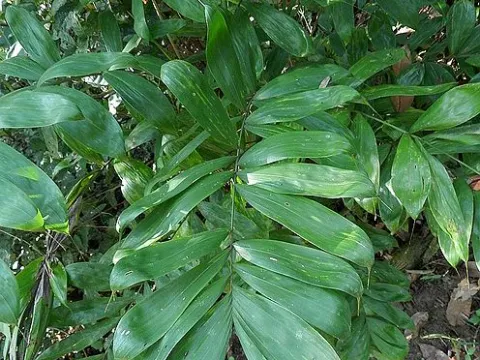
Bactris cuspidata
Bactris cuspidata
Bactris cuspidata is a perennial plant belonging to the Arecaceae family. This species is native to the tropical rainforests of South America, where it thrives in high-humidity, high-temperature environments characteristic of the Amazon basin.
What the section contains
Bactris cuspidata
The climate requirements for this palm are quite specific. It demands constant, warm temperatures ranging from 22°C to 30°C. Cold exposure is highly detrimental, as the plant lacks frost tolerance, making it suitable for tropical or controlled environments only.
Soil composition must be rich in organic matter and possess excellent permeability. A well-draining substrate is mandatory, as this palm is prone to root rot if the soil remains waterlogged for extended periods, especially during the dormant season.
Adequate light exposure is critical for healthy growth. While it can tolerate partial shade in its natural understory habitat, active growth in an agricultural or ornamental setting requires bright, indirect sunlight to ensure the leaves maintain their structure and color.
Humidity levels should remain consistently high, ideally above 60-70%. Irrigation practices must be carefully managed to keep the soil moist but never saturated, imitating the natural cycles of tropical rainfall found in its native range.
Spider mites are the most prevalent pests affecting Bactris cuspidata, particularly when the ambient humidity is low. These pests feed on leaf tissue, resulting in chlorotic spots and weakened overall vitality of the palm.
Root rot, primarily caused by species of Phytophthora or Pythium, remains the most significant disease risk. It is almost always a result of poor drainage or overwatering, leading to the rapid decay of the vascular system.
Mealybugs can often be found in the crown or at the base of leaf petioles. These insects secrete a waxy substance and feed on plant sap, necessitating prompt intervention to prevent stunted growth and secondary infections.
Leaf spot diseases can occur if the foliage remains wet for too long without adequate air circulation. Ensuring good ventilation is an essential preventative measure to keep the leaves dry and prevent fungal spores from germinating.
Effective management includes maintaining rigorous sanitation practices, such as the removal of dead or decaying foliage, and the application of integrated pest management strategies to control infestations before they cause significant structural damage.