
Attalea vitrivir
Attalea vitrivir
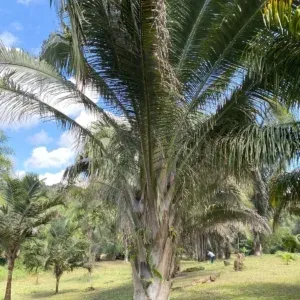
Description
Growing requirements
Attalea vitrivir belongs to the Arecaceae family and is a significant botanical species native to the tropical regions of Brazil. This palm is known for its robust growth habit and its role in local ecosystems, particularly in the Cerrado biome.
The climate requirements for this palm are strictly tropical, necessitating consistent warmth throughout the year. It thrives in regions where there is enough solar radiation to support the energetic demands of fruit production.
Regarding soil conditions, this crop prefers well-drained, nutrient-rich substrates that allow its deep root system to anchor effectively. While it exhibits some tolerance to seasonal drought, supplemental irrigation is beneficial for commercial yields.
Agricultural management requires careful attention to seedling establishment, ensuring that young palms have enough space to expand their canopy without competing for light. Thinning and pruning dead foliage are standard maintenance practices.
Fertilization regimes should focus on supplementing essential micronutrients, especially in soils that may be depleted from previous cultivation. Maintaining an optimal pH level is also vital to facilitate the absorption of nutrients.
Yield
The primary economic utility of Attalea vitrivir is the harvesting of its oil-rich fruits. The oil extracted from the kernels is utilized across several industries, ranging from food manufacturing to high-end cosmetics.
Yield capacity is influenced by tree maturity and the intensity of horticultural management. A healthy, mature plantation can produce significant annual volumes of fruit, making it a viable crop for local economies.
Harvesting strategies are usually timed to match the peak oil content within the fruit. Proper handling post-harvest is critical to prevent degradation of the oil quality before processing takes place.
By-products of the processing cycle, such as fibrous husks, can be repurposed as organic soil amendments or sources of biofuel. This enhances the overall sustainability profile of the farming operation.
Continuous monitoring of fruit development allows for more accurate yield predictions, helping farmers optimize their labor and logistics during the busy harvest season in their specific growing regions.
Main diseases and pests
Pests such as boring insects pose a significant risk to the plant, potentially compromising the structural integrity of the palm. Integrated pest management programs are recommended to mitigate these risks effectively.
Fungal diseases affecting the roots and fruit clusters can occur under conditions of excessive moisture or poor aeration. Maintaining proper hygiene in the plantation and ensuring adequate drainage are essential preventive measures.