
Attalea phalerata
Attalea phalerata
Description
Growing requirements
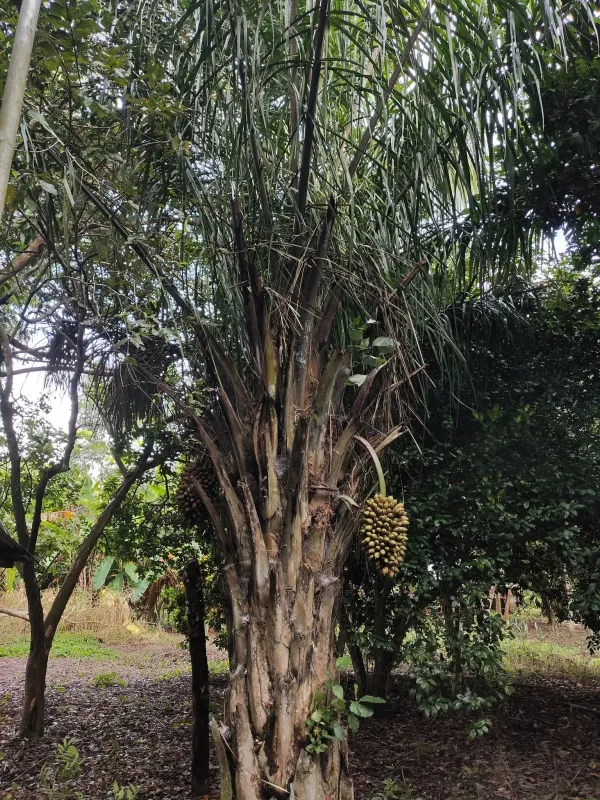
Attalea phalerata is a prominent species of palm in the Arecaceae family. It is a large, solitary-stemmed palm that features majestic, pinnate leaves, significantly contributing to the tropical landscape structure in its natural habitat.
This species is native to the tropical regions of South America, with a broad distribution spanning across Brazil, Bolivia, and Paraguay. It thrives in diverse environments, ranging from riverside floodplains to well-drained forest soils, reflecting its high adaptability to different humidity regimes.
The climate requirements for this palm are strictly tropical, necessitating consistent warmth throughout the year. It does not possess a significant cold tolerance and requires protection from frost, making it ideal for cultivation in regions with stable tropical climates.
Regarding soil preferences, the palm thrives in deep, fertile loams that are rich in organic matter. While it can withstand short periods of high soil moisture, well-drained ground is essential for long-term health to prevent the development of root-related pathogens.
Agricultural management involves maintaining clear plots to reduce competition with weeds, especially during the early growth stages. Proper spacing between trees is crucial to ensure that every palm receives adequate sunlight, which is necessary for maximizing photosynthetic efficiency and future fruit production.
Yield
The primary economic importance of Attalea phalerata lies in its fruit, which is highly valued for its oil content. The seeds are processed to extract vegetable oil used in various industrial, food, and cosmetic applications, making it a valuable cash crop.
Yield capacity is influenced by tree age, nutritional status, and overall management practices. Mature palms produce large, heavy clusters of nuts. The harvest typically involves gathering fallen fruit or manual removal from the tree, depending on the specific orchard infrastructure.
Beyond oil production, the palm is highly versatile; leaves are frequently utilized for roofing material, traditional weaving, and basket making. This multi-purpose utility ensures that farmers can derive secondary income from the plant, adding to its overall economic viability.
The processing phase involves de-pulping the fruit and extracting oil from the kernels. The remaining press cake is a high-protein byproduct that serves as an excellent livestock feed supplement, contributing to a circular agricultural model within the farm system.
Systematic fertilization and irrigation monitoring are key to ensuring consistent yields. By implementing modern horticultural techniques, producers can significantly enhance the oil yield per hectare, supporting the economic sustainability of Attalea plantations.
Main diseases and pests
The most significant threats to Attalea phalerata plantations are palm weevils and other wood-boring insects. These pests often target the apical meristem or growing point of the palm, causing irreversible damage that can lead to the death of the entire tree.
Fungal pathogens represent another major risk, particularly in high-humidity environments where poor air circulation within the canopy promotes infection. Such diseases manifest as leaf spotting and necrosis, which impair the plant's ability to produce energy through photosynthesis.
Root rot, driven by stagnant water or compacted soil, often affects the tree's stability and overall health. Weakened roots leave the palms vulnerable to heavy wind conditions, which can lead to trees tipping over or breaking during extreme weather events.
Integrated pest management strategies are recommended, including biological controls and regular sanitation. Prompt removal of infected tissues and maintaining optimal tree density can effectively reduce the risk of spreading pathogens throughout the plantation.
- Regular monitoring for signs of boring insect activity.
- Sanitary pruning of dead or diseased foliage.
- Maintenance of optimal soil drainage systems.
- Strategic spacing to ensure sufficient airflow.