
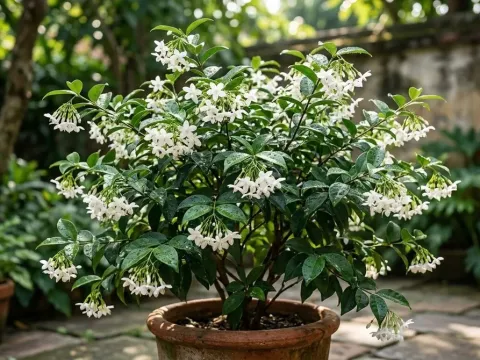
Wrightia
Wrightia
The genus Wrightia belongs to the family Apocynaceae and comprises a group of tropical trees and shrubs. Native primarily to Asia and Australia, these plants are well-adapted to warm, humid environments and have significant botanical diversity.
What the section contains
 Wrightia angustifolia
Wrightia angustifolia
Wrightia angustifolia
 Wrightia arborea
Wrightia arborea
Wrightia arborea
 Wrightia dubia
Wrightia javanica
Wrightia javanica
Wrightia dubia
Wrightia dubia
Wrightia javanica
Wrightia javanica
 Wrightia laevis
Wrightia laevis
Wrightia laevis
 Wrightia natalensis
Wrightia natalensis
Wrightia natalensis
 Wrightia pubescens
Wrightia pubescens
Wrightia pubescens
 Wrightia religiosa
Wrightia religiosa
Wrightia religiosa
 Wrightia tinctoria
Wrightia tinctoria
Wrightia tinctoria
Wrightia
The climate requirements for Wrightia are strict; they thrive in tropical regions with temperatures ranging from 22°C to 30°C. These plants are frost-sensitive and cannot withstand cold snaps, which makes their cultivation restricted to specific geographic belts.
Regarding soil preference, Wrightia requires well-drained, nutrient-rich substrates. Loamy soils with a slightly acidic to neutral pH are ideal. Poor drainage is the most significant constraint, as it leads to root asphyxiation and rapid decline.
As light-demanding species, they require high levels of solar exposure for optimal development. Proper spacing in plantations is essential to ensure that every individual plant receives sufficient light, preventing leggy growth and ensuring proper crown density.
Agricultural techniques must include regular irrigation during the dry season and protection from harsh winds. Mulching is highly recommended to maintain consistent soil moisture levels and prevent the drying of surface roots.
The economic utility of Wrightia is primarily focused on its medicinal properties and high-quality timber. Several species are harvested for their therapeutic value, as the bark and leaves contain compounds useful in traditional healing practices.
Wrightia tinctoria is specifically noted for being a source of natural dye, which was historically significant for the textile industry. Beyond dyes, its wood is valued by artisans for its smooth texture, durability, and resistance to warping.
In ornamental horticulture, specific species are cultivated for their beautiful, fragrant flowers. Their landscape value is high in tropical and subtropical urban environments, contributing to the aesthetics of public gardens and residential areas.
Industrial production involves a structured approach to harvesting leaf and bark biomass. Sustainability is key, as the slow maturity rate of certain varieties requires long-term planning for rotational harvesting of resources.
Future potential lies in the pharmaceutical industry, where researchers are studying the specific alkaloids within the genus. Standardizing these extracts from cultivated crops could lead to more sustainable supply chains for natural medicine.
Pests represent a notable challenge in Wrightia cultivation, particularly scale insects and spider mites. These pests thrive in dry conditions and can cause significant damage to foliage if not monitored regularly.
Fungal diseases are a primary concern, especially in high-humidity areas. Root rot is the most devastating, often triggered by over-irrigation or inadequate drainage, leading to the rapid decay of the vascular system.
To mitigate these threats, integrated pest management (IPM) practices should be implemented. This includes the use of beneficial insects and natural deterrents to reduce reliance on heavy chemical interventions.
Sanitation is critical; all dead or diseased branches must be pruned and discarded far from the healthy population to prevent the spread of spores and insects throughout the plantation.
Regular inspection schedules are recommended for commercial growers. Identifying early signs of stress or infestation can save an entire crop, emphasizing the importance of daily site management.