
Wrightia arborea
Wrightia arborea
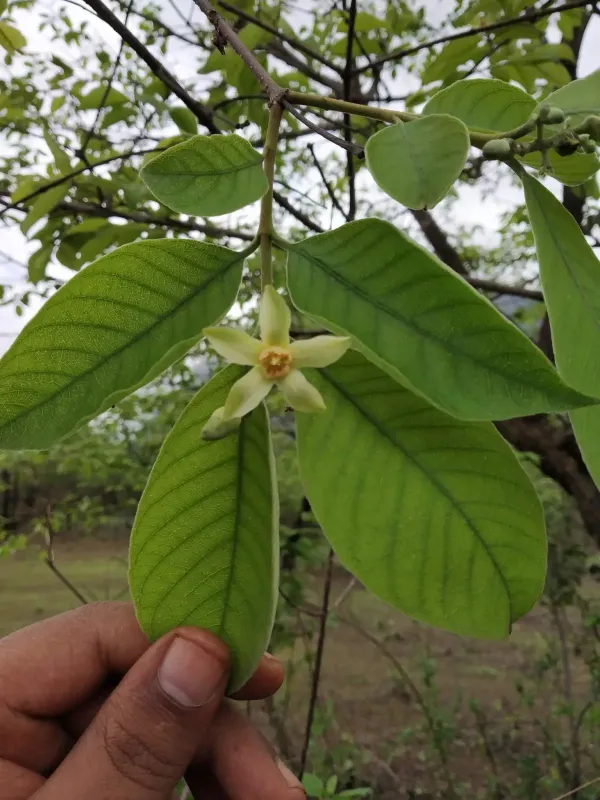
Description
Growing requirements
Wrightia arborea is a deciduous tree belonging to the Apocynaceae family. It is known for its relatively fast growth rate and can reach significant heights, often utilized in tropical silviculture and as a source of high-quality timber.
Native to the regions of South and Southeast Asia, this species thrives in tropical climates characterized by distinct wet and dry seasons. It is commonly found in deciduous and evergreen forest environments where soil moisture is balanced.
The ideal conditions for Wrightia arborea include full sun exposure, although saplings may benefit from partial shade. The species performs best in well-drained loamy soils and requires consistent rainfall or supplemental irrigation during the initial establishment phase.
Agrotechnical management involves maintaining soil aeration and monitoring for signs of nutrient deficiency. Since the tree is sensitive to waterlogging, site selection should prioritize elevated or sloped areas with efficient drainage systems.
From a хозяйственное utilization perspective, the wood of Wrightia arborea is highly valued for carving and light construction work. Additionally, various parts of the plant are traditionally used in ethnomedicine for their anti-inflammatory properties.
Main diseases and pests
The primary threats to Wrightia arborea cultivation include fungal pathogens that attack the root system during periods of excessive rainfall. Proper spacing between trees is essential to ensure adequate airflow and reduce humidity around the canopy.
Insect pests such as sap-sucking aphids and mites can cause significant damage to young foliage. Integrated pest management practices, including the use of neem-based sprays, are recommended to maintain plant health without chemical reliance.