
Wrightia dubia
Wrightia dubia
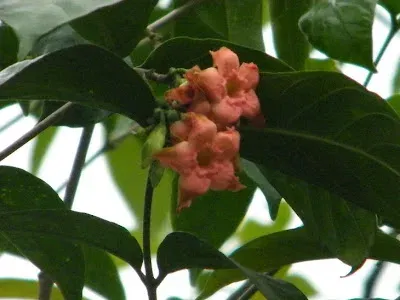
Description
Growing requirements
Wrightia dubia is an ornamental woody shrub belonging to the Apocynaceae family, native to the tropical regions of Southeast Asia, where it thrives in humid environments.
The plant is highly valued for its striking flowers and foliage, making it a preferred choice for botanical gardens, greenhouses, and conservatory displays in non-tropical zones.
In terms of soil, it requires a well-draining, nutrient-rich substrate, typically composed of a mix of peat, perlite, and organic matter to ensure adequate aeration of the roots.
The climate requirements include a warm, humid environment with consistent temperatures between 22 and 28 degrees Celsius, as the plant does not tolerate cold drafts or sudden frost.
Sunlight exposure should be bright but filtered; direct midday sun can be harmful to the leaves, leading to scorching and loss of vigor, so partial shade or indirect light is ideal.
Main diseases and pests
Common pests associated with Wrightia dubia include spider mites and mealybugs, which thrive in indoor environments with low humidity levels or stagnant air.
Root rot, caused by various fungal pathogens, remains the primary threat to plant health, usually resulting from overwatering or poorly drained potting media.
Leaf spot diseases may occur during high-humidity periods if there is insufficient air circulation around the canopy, necessitating proper pruning and spacing.
Integrated pest management, including regular inspection and the use of insecticidal soaps, is the most effective approach to maintaining the health of the plant.
Care should always be taken to handle the plant with gloves, as the sap of Apocynaceae species can cause irritation or allergic reactions in humans and pets.