
Wrightia natalensis
Wrightia natalensis
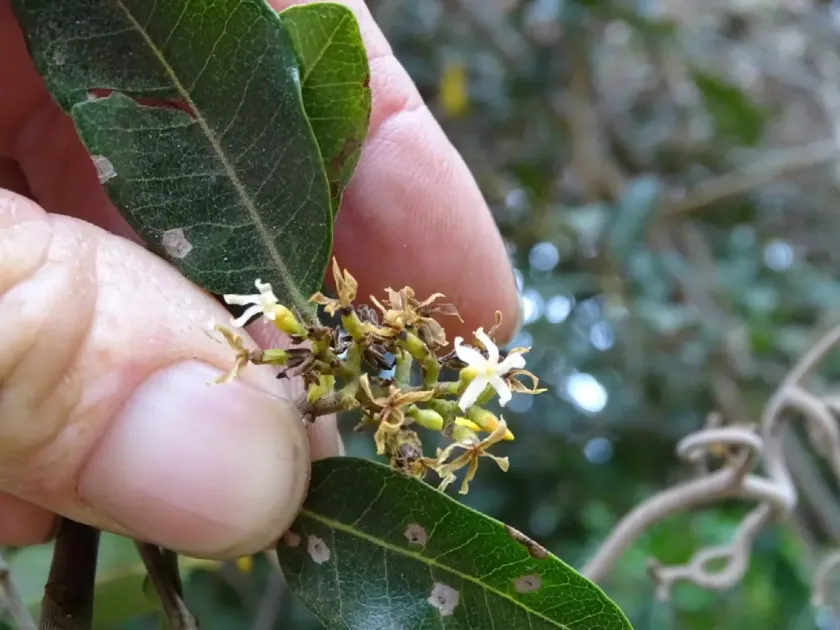
Description
Growing requirements
Wrightia natalensis is a woody plant species belonging to the Apocynaceae family. It typically grows as a deciduous shrub or a small tree, capable of reaching heights of up to 6–8 meters under favorable environmental conditions.
The plant is native to Southern Africa, primarily found in the KwaZulu-Natal region and surrounding areas. Its natural habitat includes savannas and woodland margins, which has instilled in the species a high level of resilience to seasonal climatic variations.
Cultivation requirements involve well-drained soil, preferably sandy or loamy in texture. Providing adequate drainage is critical, as the roots are susceptible to damage in waterlogged conditions, which can lead to fungal issues and stunted growth.
Regarding climatic needs, this species thrives in full sun exposure. It is highly drought-tolerant once established, making it a sustainable choice for landscaping in arid or semi-arid climates where water conservation is a priority.
In terms of agricultural and horticultural utilization, Wrightia natalensis is primarily valued as an ornamental specimen. Its aesthetic appeal during the flowering phase and its ability to withstand harsh weather make it a specialized plant for botanical gardens and landscape design.