
Wrightia tinctoria
Wrightia tinctoria
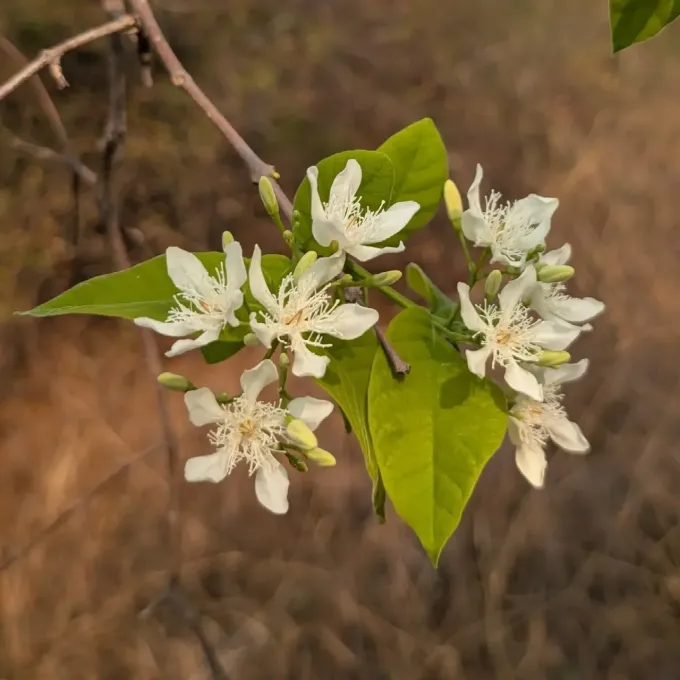
Description
Sowing dates
The propagation of Wrightia tinctoria is primarily achieved through seeds or stem cuttings in specialized nurseries. Seeds are sown into well-drained substrate, ideally just before the onset of the rainy season to ensure optimal germination and early growth.
Soil preparation is critical for establishing a healthy root system. The site must be cleared of weeds and enriched with organic compost to provide the necessary nutrients for young plants to thrive in their initial stages.
In commercial plantations, transplanting nursery-grown saplings with a robust root system is the standard practice to ensure higher survival rates. The planting density is adjusted based on the intended yield, balancing between biomass volume and overall plant health.
Sunlight exposure is vital during the sowing and early development phases. While the plant is resilient, it requires protection from extreme weather conditions, such as strong winds, which can damage delicate young stems.
Belonging to the Apocynaceae family, the plant is naturally adapted to forest edges, implying that it benefits from a mix of direct light and occasional shade during the early months of cultivation.
Growing requirements
Wrightia tinctoria is a light-demanding species that flourishes in tropical and subtropical environments. The ideal temperature for its active growth ranges between 25°C and 35°C, making it perfectly suited for warm regions.
Well-drained, fertile loamy soils are the best choice for this crop. It is sensitive to waterlogging, so ensuring proper drainage is essential to prevent root rot and the development of soil-borne pathogens.
Although it possesses a moderate level of drought tolerance, consistent moisture during the vegetative growth phase is necessary to maximize leaf production. Conversely, prolonged exposure to freezing temperatures is detrimental to the plant.
Fertilization with nitrogen and phosphorus is recommended at the beginning of the growing season to boost the production of foliage. This directly correlates with the concentration of dye-yielding compounds within the leaves.
The plant responds well to regular pruning, which helps in maintaining a manageable size for harvesting and promotes the growth of new, healthy foliage suitable for extraction purposes.
Yield
The main product of Wrightia tinctoria is the leaf biomass, which serves as a natural source of indigo dye. Yields depend heavily on the maturity of the trees, planting density, and the frequency of harvesting throughout the season.
Harvesting usually commences once the plant reaches sufficient maturity, typically two to three years after establishment. Leaves are collected when the plant's metabolic activity is at its peak, usually just before the flowering stage.
The quality of the indigo extracted from the leaves is influenced by post-harvest processing methods, specifically fermentation and oxidation. Efficient management of these processes is key to achieving a high-quality pigment yield.
A mature plantation can sustain multiple harvesting cycles per year if managed correctly. Rotating these cycles with rest periods ensures the longevity of the trees and consistent yearly production.
Beyond the foliage, the wood of this tree is highly regarded for its fine texture and durability. Utilizing the wood as a secondary product enhances the overall economic viability of the plantation.
Main diseases and pests
Like many tropical crops, Wrightia tinctoria is susceptible to pests such as aphids and spider mites. These insects feed on young leaves, potentially damaging the plant's photosynthetic capacity and lowering dye quality.
Fungal diseases, such as leaf spot, may appear in overly humid or poorly ventilated conditions. Maintaining sufficient space between plants through pruning is the most effective preventative strategy against such infections.
Root rot is a significant threat if the soil drainage is inadequate. Managing irrigation schedules and avoiding water accumulation around the root zone are crucial for maintaining long-term plant health.
Integrated Pest Management (IPM) practices, including the use of biological controls, are preferred over broad-spectrum chemical pesticides to maintain the ecological balance of the plantation.
Regular monitoring of the canopy, especially the undersides of the leaves, allows for early detection of pest infestations, enabling targeted and efficient interventions before widespread damage occurs.
Harvesting
The harvest involves the precise cutting of leafy branches, ensuring that the main trunk and primary skeletal branches remain intact to facilitate regrowth. Using sharp tools is essential to prevent bark damage.
Once harvested, the material must be transported quickly to the processing site. Prolonged exposure of the cut leaves to heat and moisture can trigger premature decomposition, which negatively affects indigo quality.
If not processed immediately, the leaves should be dried in shaded, well-ventilated areas to prevent the degradation of light-sensitive compounds. Proper storage conditions are vital to preserving the raw material's value.
Timing the harvest based on chemical analysis of the leaves ensures that the raw material is processed at its peak potential. This data-driven approach maximizes the output of the dyeing process.
Post-harvest care, including applying fertilizer and soil aeration, is performed to help the plants recover and prepare for the next growth cycle, ensuring the sustainable management of the agricultural site.