
Wrightia angustifolia
Wrightia angustifolia
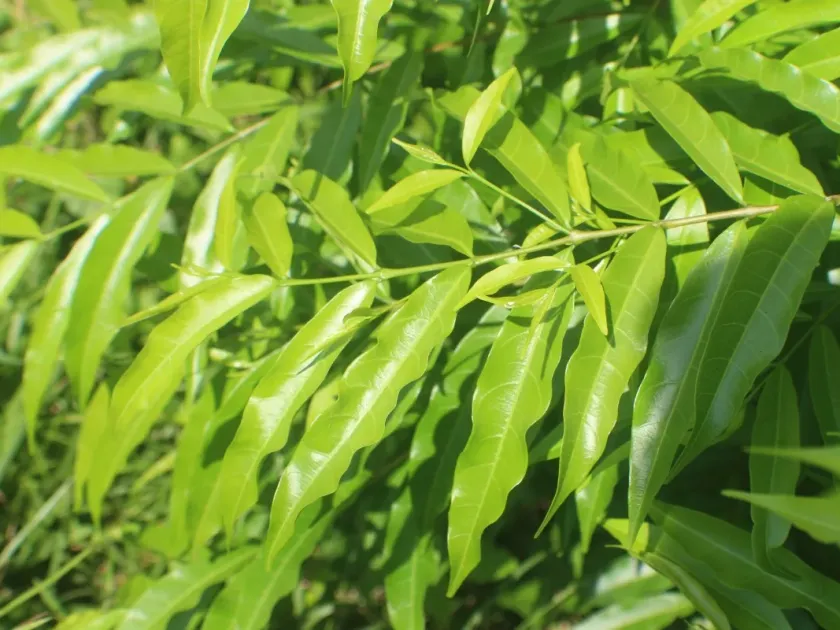
Description
Sowing dates
Wrightia angustifolia is a distinct species belonging to the Apocynaceae family, known for its slender foliage and specific ecological requirements.
Seed propagation is the standard method, requiring high-quality seeds collected at full maturity to ensure successful germination rates.
Sowing should be carried out in warm conditions, with an optimal temperature range between 24 and 28 degrees Celsius for sprout emergence.
Using a well-draining sterile medium helps prevent seed decay and provides the necessary aeration for the developing root systems.
After the first true leaves appear, seedlings are transplanted into individual pots to avoid root competition and ensure balanced growth.
Growing requirements
The plant thrives in tropical and subtropical regions, requiring plenty of indirect sunlight to reach its maximum biological potential.
Soil composition must be rich in organic matter, featuring excellent drainage to prevent the accumulation of moisture around the root crown.
Regular irrigation is essential, especially during the peak growing season, although the substrate should remain slightly moist rather than waterlogged.
Application of balanced fertilizers throughout the vegetative stage supports vigorous growth and enhances the overall health of the shrub.
Proper pruning is vital for maintaining the shape of the plant and stimulating the production of new flowering wood during the season.
Main diseases and pests
The main pests affecting this crop include scale insects and spider mites, which typically thrive in warm, sheltered environments.
Aphids can also congregate on the terminal shoots, extracting nutrients and often causing leaf deformation if left unchecked.
Fungal pathogens such as leaf spot diseases are common when humidity levels remain high for extended periods without adequate air movement.
Root system vulnerability to pathogens like Phytophthora underscores the critical importance of maintaining strict water management practices.
Management strategy focuses on maintaining plant vigor through appropriate nutrition and prompt detection of any signs of pest colonization.