
Wrightia religiosa
Wrightia religiosa
Description
Growing requirements
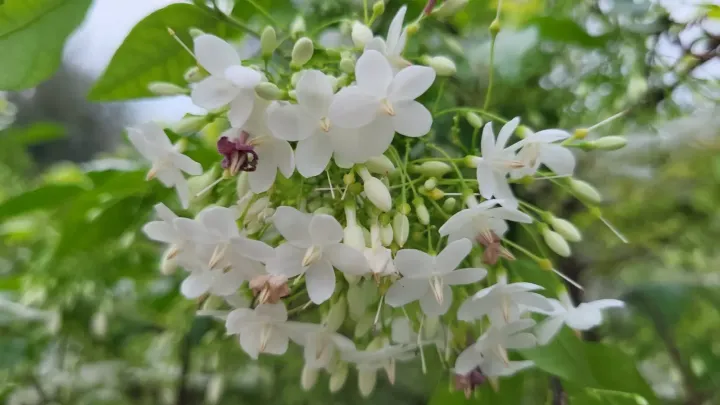
Wrightia religiosa is a perennial evergreen shrub or small tree belonging to the Apocynaceae family. It is widely recognized for its pendulous, fragrant white flowers and is a staple in tropical gardening and bonsai art, particularly in Southeast Asia.
The plant originates from tropical regions including Thailand, Vietnam, and Malaysia. In its native habitat, it thrives in warm, humid conditions and is often associated with sacred temple grounds, which has led to its common name, the Sacred Wrightia.
Climate requirements for this species are strict, as it requires temperatures that remain above 15°C throughout the year. It does not tolerate frost and prefers high humidity levels to maintain its lush foliage and promote continuous flowering cycles.
Soil management for Wrightia religiosa involves utilizing well-draining, nutrient-rich soil mixtures. A slightly acidic to neutral substrate is ideal, ensuring that water does not accumulate around the roots, which can lead to rapid decay of the vascular system.
Agronomic practices focus on periodic pruning to shape the canopy and stimulate flower production. Pruning is essential for both commercial nursery production and for keeping the plant within manageable bounds when grown in containers or small gardens.
Main diseases and pests
Common pests affecting Wrightia religiosa include aphids, mealybugs, and scale insects. These sap-sucking pests can cause significant damage to young growth, resulting in stunted development and the potential for sooty mold growth on honeydew secretions.
Disease management is primarily centered on preventing fungal infections such as root rot and leaf spot. These issues are almost exclusively linked to poor drainage or overly humid, stagnant air conditions that prevent the foliage from drying out after irrigation.
Integrated pest management (IPM) strategies, including the use of neem oil or targeted biological controls, are highly effective. Frequent monitoring of the plant's health, especially during the peak growing season, is recommended to prevent infestations from spreading.
The plant possesses a white milky latex common to many Apocynaceae species, which can be irritating. Growers should wear gloves during pruning operations to prevent skin irritation caused by direct contact with the sap of the plant.
Economic uses of Wrightia religiosa are diverse, ranging from its role as an ornamental shrub in landscaping to its significance in perfumery and traditional medicine. Its resilience to pruning makes it an ideal candidate for mass production in the horticultural trade.