
Wrightia pubescens
Wrightia pubescens
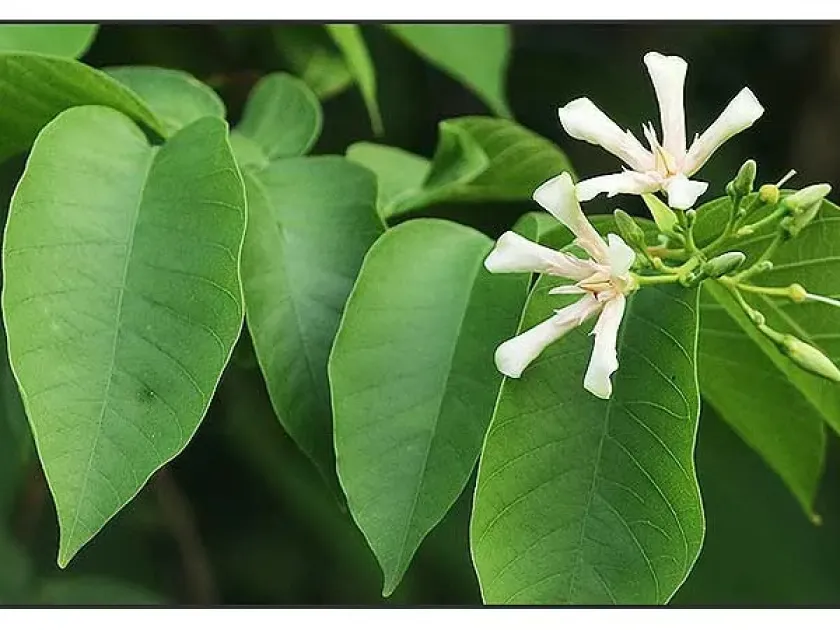
Description
Growing requirements
Wrightia pubescens is a tropical tree belonging to the Apocynaceae family, native to Southeast Asia and parts of Australia. It is characterized by its distinct hairy foliage, which gives the plant its common name and helps adapt to its native humid environments.
The climate requirements for this species are strictly tropical, needing constant warmth and high atmospheric humidity to thrive. It is highly sensitive to cold, and growth will cease if temperatures drop below critical levels, requiring protective measures in cooler regions.
The plant thrives in deep, fertile, and well-draining soils. Poor soil aeration is a primary limiting factor for root development, so site selection must prioritize locations with efficient drainage systems to prevent waterlogging.
Botanically, the species is recognized for its woody stems and attractive flowers that offer significant value in landscaping and forest management. It is often utilized in reforestation projects due to its ability to grow rapidly in suitable tropical conditions.
Economically, Wrightia pubescens is valued for its lightweight and workable wood, used in traditional crafts and furniture making. Furthermore, research indicates potential pharmacological properties in its leaves and bark, expanding its scope of utility.
Main diseases and pests
The primary pests affecting this culture include aphids and spider mites, which can cause significant physiological damage during the early growth stages. Management involves monitoring foliage density and applying targeted horticultural oils or insecticides.
Fungal pathogens such as leaf spot and various rots are common threats, especially when planting density is too high. Proper spacing is essential to ensure adequate airflow and sunlight penetration into the center of the canopy.
Root diseases, often caused by pathogens in the soil, occur primarily when irrigation practices are poorly managed. Ensuring the soil pH remains within the optimal range and preventing over-watering are key preventive strategies.
Viral infections may occur, manifesting through leaf discoloration and stunted growth. Infected trees should be promptly removed from the plot to prevent the spread of the virus to healthy specimens in the area.
Effective plantation management requires an integrated pest management (IPM) program. By combining mechanical, biological, and chemical control methods, farmers can maintain the health and productivity of Wrightia pubescens stands.