
Wrightia laevis
Wrightia laevis
Description
Growing requirements
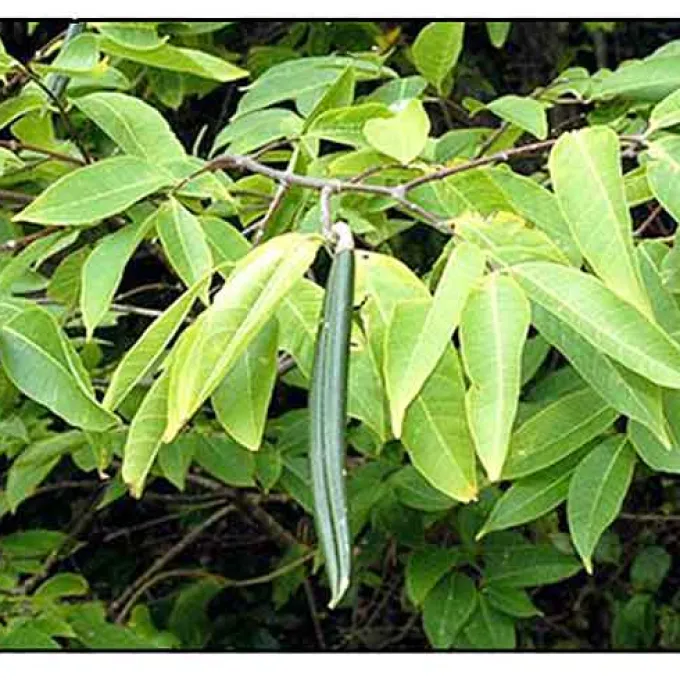
Wrightia laevis is a distinguished member of the Apocynaceae family, commonly recognized as a tropical tree or woody shrub. Its botanical structure is characterized by smooth, glossy leaves and a robust growth habit that allows it to flourish in tropical forest ecosystems.
Originating from Southeast Asia, this species thrives in regions characterized by high annual precipitation and consistent heat. The plant is well-adapted to the understory of tropical forests, favoring environments with filtered sunlight and high ambient humidity levels.
Agricultural requirements for Wrightia laevis include well-draining, nutrient-rich soils. The plant shows a preference for organic-rich substrates that maintain moisture without becoming waterlogged, which is a critical factor for long-term health and vigor.
Cultivation management requires consistent temperature control, as the species is highly sensitive to cold climates. Maintaining temperatures above 20 degrees Celsius is essential, as the plant does not exhibit frost tolerance and may perish in freezing conditions.
The agrotechnical approach involves structured pruning to maintain a desirable canopy shape. Regular application of liquid fertilizers during the growing season significantly improves flower production, which is a key aesthetic and botanical goal for growers.
Main diseases and pests
Typical threats include common tropical pests like mealybugs, scale insects, and spider mites, which can cause significant foliage damage if left unmanaged. Fungal infections, often caused by excessive humidity and lack of air circulation, can also pose a risk to the plant's health.
Harvesting
The primary use of Wrightia laevis is ornamental, as it serves as a high-quality landscape feature in warm climates. Its flowers are highly valued for their delicate appearance, and the species is frequently utilized in professional landscaping for its resilience and aesthetic appeal.