
Vallesia cymbaefolia
Vallesia cymbaefolia
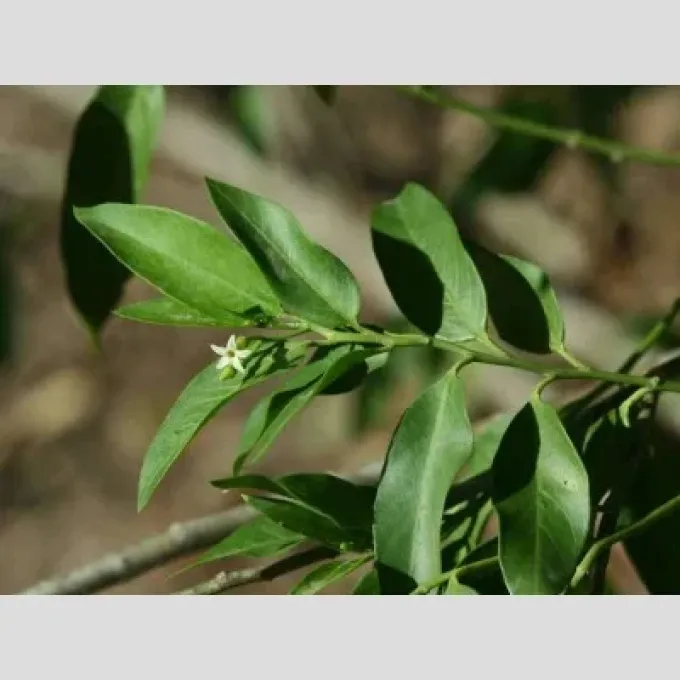
Description
Growing requirements
Vallesia cymbaefolia is a perennial shrub belonging to the Apocynaceae family, widely recognized for its unique adaptation to arid environments. The plant is native to regions in Mexico and parts of Central America, thriving in dry tropical forests and rocky landscapes.
Botanically, it is characterized by its distinct boat-shaped (cymbaefolia) leaves and small, white, fragrant flowers. The plant usually grows as a dense, evergreen shrub, although it can occasionally reach the dimensions of a small, spindly tree under favorable conditions.
In terms of climate, it demands high solar exposure and heat. It is strictly a non-frost-tolerant species, requiring constant temperatures above 15 degrees Celsius for active metabolism. It is exceptionally resilient to prolonged dry spells, making it a candidate for xeriscaping in arid regions.
The soil requirements are specific: it necessitates well-draining, aerated substrates. Loamy, sandy, or rocky soils are ideal. High organic matter content should be managed carefully to ensure it does not retain excessive moisture, which could lead to root physiological issues.
Cultivation practices involve minimal irrigation, focusing on the establishment phase. Once the root system is well-developed, the plant becomes remarkably self-sufficient, requiring only occasional maintenance to prune dead or crossing branches to maintain plant vigor.
Main diseases and pests
The most significant threat to Vallesia cymbaefolia in agricultural settings is excessive moisture, which leads to root rot and fungal infections of the crown. Poorly drained soils are the primary cause of plant loss in managed collections.
Pest pressure often includes sap-sucking insects like aphids, mealybugs, and scale insects. These pests can cause significant leaf deformation and reduce the plant's overall aesthetic and biological quality by weakening the foliage.
Integrated Pest Management (IPM) is recommended for maintaining the health of this crop. Monitoring for early signs of infestation is crucial, as the plant's dense foliage can hide pests effectively until they have reached significant numbers.
Fungal pathogens such as Fusarium or Rhizoctonia may occur if the plant is kept in containers with poor air circulation and wet soil conditions. Using sterile substrates and avoiding overhead watering helps to mitigate these risks effectively.
General hygiene, such as removing fallen leaves and pruning infected twigs, is essential. Furthermore, ensuring that the plant is not overcrowded with other vegetation helps prevent the transmission of pathogens and pests within the cultivation site.