
Vincetoxicum fuscatum
Vincetoxicum fuscatum
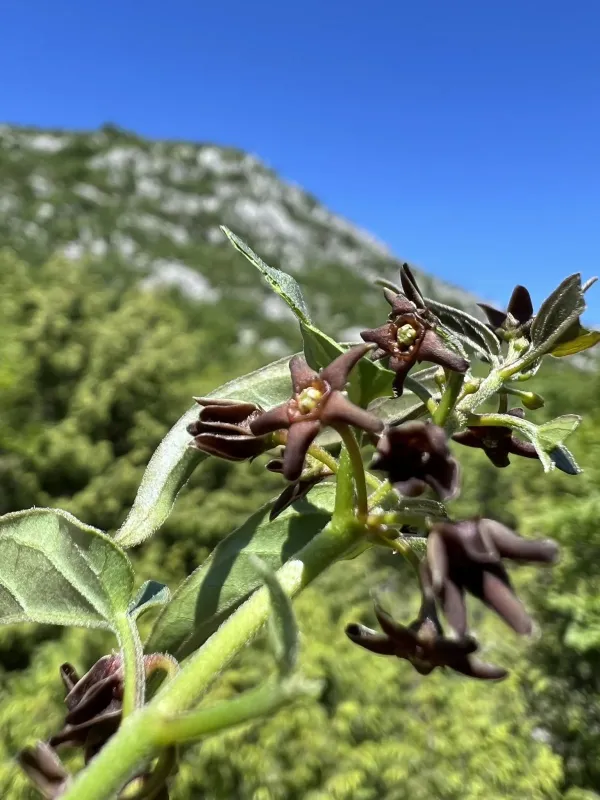
Description
Growing requirements
Vincetoxicum fuscatum, also known as the brown-flowered swallow-wort, is a herbaceous perennial belonging to the Apocynaceae family. In agricultural practices, this species is recognized for its hardiness and potential for cultivation in specialized pharmaceutical crops.
The plant features an upright stem with opposite leaves and produces clusters of small, brownish-yellow flowers. Its root system is robust and fibrous, which helps the plant establish itself effectively in various soil environments, including rocky or sandy loam soils common in its natural range.
The crop thrives in sunny locations with well-drained, fertile soil. It requires a neutral to slightly alkaline pH and exhibits a strong preference for environments that are not prone to waterlogging, as excessive soil moisture is a primary cause of root failure.
Climatically, Vincetoxicum fuscatum is well-adapted to temperate regions, showcasing significant tolerance to seasonal temperature fluctuations. It remains dormant during winter and typically initiates new growth early in the spring, provided there is adequate moisture in the soil profile.
The primary use of the plant is in the pharmaceutical industry due to its specific alkaloid content. Additionally, its resilient nature makes it suitable for ecological restoration projects and as a secondary crop in diversified farming systems aiming for sustainable land use.
Main diseases and pests
Fungal pathogens represent the most significant threat to Vincetoxicum fuscatum, especially in regions with high humidity or poor air circulation. Root rot is a common issue that can be mitigated through proper soil drainage management and site selection.
Pests, particularly aphids and spider mites, can severely impact the quality of the harvested biomass. These insects feed on the plant sap, leading to stunted growth and reduced concentrations of valuable active components in the leaves and roots.
Weed management is essential during the establishment phase of the crop. Because Vincetoxicum fuscatum grows relatively slowly during its first year, it is easily outcompeted by aggressive weeds, necessitating manual or mechanical intervention to ensure optimal development.
Prevention strategies involve regular monitoring of the crop canopy and maintaining appropriate plant spacing to improve ventilation. This helps prevent the spread of foliar diseases and reduces the reliance on heavy chemical applications.
A successful integrated pest management (IPM) plan should include rotation with non-host crops to interrupt the life cycles of common soil-borne pathogens. Monitoring soil nutrient levels is also vital, as nutrient imbalances can make the plants more vulnerable to infestation.