
Vincetoxicum confusum
Vincetoxicum confusum
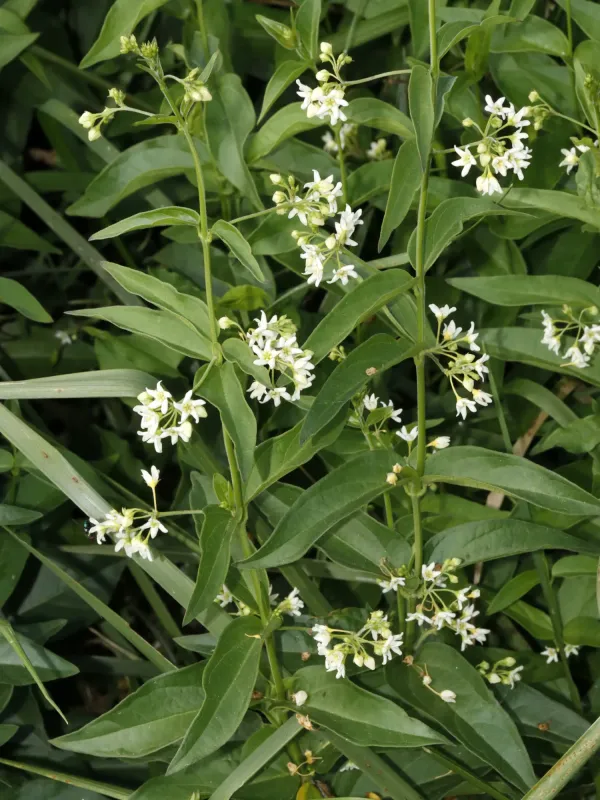
Description
Sowing dates
For optimal establishment of Vincetoxicum confusum, sowing is ideally performed during the late autumn to utilize natural winter stratification processes.
Spring planting requires soil temperatures to reach at least 10–12 degrees Celsius, which typically aligns with the mid-spring season in temperate regions.
The seeds should be sown at a shallow depth of approximately 1 to 2 centimeters to ensure adequate emergence without exhausting the seedling's reserves.
Maintaining a row spacing of 50 to 60 centimeters is recommended to facilitate optimal airflow and ensure easier management of the plantation during growth.
Seedbed preparation should involve creating a fine, weed-free tilth, which promotes consistent soil-to-seed contact and improves overall germination rates.
Growing requirements
This species thrives in sunny, open locations, though it exhibits significant plasticity and can adapt to sites with partial shade throughout the day.
The crop prefers well-drained, fertile soil types, such as loam or sandy loam, which prevent waterlogging while maintaining necessary moisture levels.
Vincetoxicum confusum displays remarkable resilience to fluctuations in moisture and is well-adapted to environments where occasional drought occurs.
The ideal soil reaction for successful cultivation is near-neutral to slightly alkaline, typically within the range of 6.0 to 7.5 on the pH scale.
Effective management requires regular cultivation to prevent soil crusting, which promotes deeper root growth and enhances the plant's overall vigor.
Main diseases and pests
The primary threats to the health of the crop include infestations of aphids, which colonize the tender tissues and cause stunted plant development.
Fungal pathogens can pose a risk during periods of high humidity and poor ventilation, potentially leading to leaf spotting and crown rot conditions.
Integrated pest management strategies suggest focusing on early detection and physical removal of infected plants to prevent the spread of disease.
Weed competition during the early vegetative stage can significantly hinder crop yield, requiring timely mechanical or manual interventions for control.
Maintaining a balanced ecosystem through beneficial insects can provide natural biological control against many of the common pests targeting this species.
Harvesting
Harvesting for maximum yield and quality should be timed precisely during the peak of the flowering period when phytochemical content is at its highest.
The stems are typically harvested by cutting them several centimeters above the base to allow for potential regrowth and protect the crown of the plant.
Post-harvest handling is critical, as immediate transport to a shaded, ventilated area prevents the degradation of biomass due to excessive heat.
Drying procedures must be conducted in clean, airy environments, ensuring that temperatures remain moderate to maintain the structural integrity of the crop.
Once dried, the product should be stored in moisture-proof containers in a cool, dark location to ensure its long-term viability and market quality.