
Vincetoxicum funebre
Vincetoxicum funebre
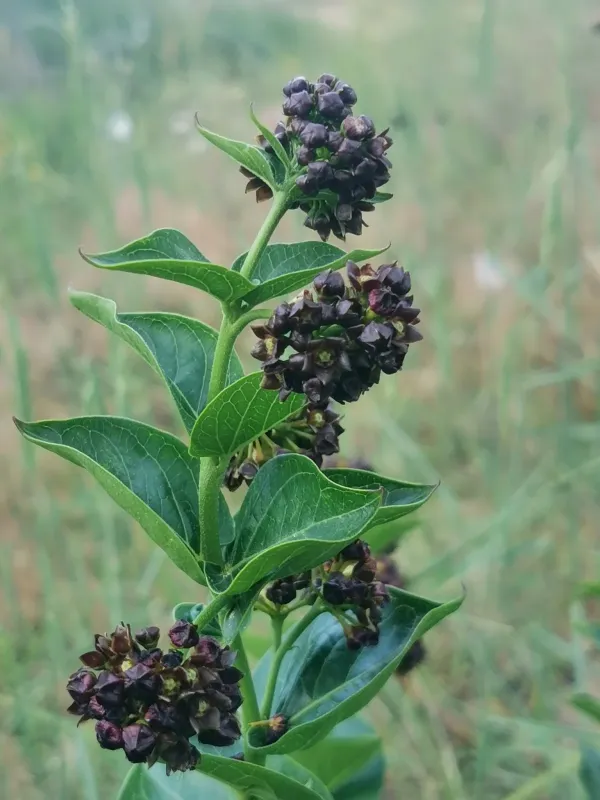
Description
Growing requirements
Vincetoxicum funebre is a perennial herb belonging to the Apocynaceae family. Native to rocky, mountainous regions, this plant has adapted to survive in challenging environments with limited soil depth and high solar radiation.
Botanically, it is characterized by an erect stem structure and opposite leaves. The plant possesses a robust root system, which is an essential evolutionary adaptation for surviving in arid conditions where surface moisture is scarce.
The crop thrives in well-drained, alkaline, or limestone-rich soils. It requires full sunlight to maintain its physiological balance and to facilitate the synthesis of secondary metabolites that are typical for this genus.
Regarding climate, Vincetoxicum funebre shows high resistance to drought but is intolerant to waterlogged soils. Providing good drainage is the most critical factor in its agronomy to prevent root suffocation and subsequent decay.
The cultivation process typically involves starting from seeds in a controlled environment. Once established, the plants require minimal intervention, although regular weeding in the early stages of growth is essential for optimal development.
Main diseases and pests
The primary threat to the health of Vincetoxicum funebre is fungal infection, specifically root rot caused by poor soil drainage. When moisture levels remain too high, the roots become vulnerable to various soil-borne pathogens.
Insect pests such as aphids are frequent visitors that target the tender shoots and floral buds. Feeding by these insects can stunt growth and provide entry points for secondary bacterial infections within the plant tissues.
Spider mites are another common pest, particularly in dry and hot conditions. They suck sap from the underside of leaves, causing them to dry out and eventually leading to premature defoliation if left unmanaged.
To control fungal diseases, it is necessary to monitor the moisture content of the substrate closely. If symptoms of rot appear, it is advised to improve the soil structure by adding gravel or sand to ensure better aeration.
Pest management should prioritize integrated approaches, including the use of neem oil or other biological controls. Keeping the surrounding area clear of weeds reduces the presence of alternative hosts for pests, thereby protecting the main crop.