
Tabernaemontana pauciflora
Tabernaemontana pauciflora
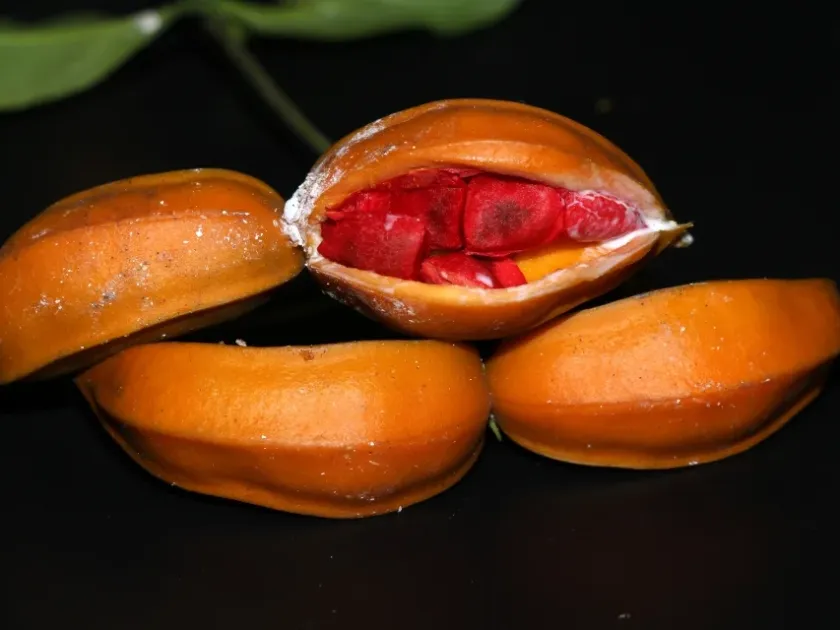
Description
Growing requirements
Tabernaemontana pauciflora is a woody evergreen shrub belonging to the Apocynaceae family. It is native to the tropical forests of Southeast Asia, where it thrives in humid conditions.
The plant features glossy, lanceolate leaves and delicate white, tubular flowers. It is widely recognized for its high ornamental value in tropical and subtropical landscapes.
Optimal growth requires a warm climate with temperatures consistently between +20°C and +28°C. The plant does not tolerate frost or prolonged exposure to cold temperatures.
The ideal soil for this species is a well-draining, nutrient-rich substrate with a slightly acidic to neutral pH level. Proper drainage is essential to prevent waterlogging and root rot.
Regarding light requirements, the plant prefers bright, filtered sunlight. Excessive direct sun exposure can damage the leaves, while insufficient light significantly stunts development and blooming.
Main diseases and pests
Common pests affecting this culture include spider mites and mealybugs, which are particularly problematic in environments with low air humidity.
Fungal diseases, such as powdery mildew or root rot, often occur as a result of poor air circulation and excessive irrigation practices.
Effective management involves regular inspections for pest colonies and the application of systemic insecticides when necessary to maintain plant health.
Disease prevention is primarily achieved through moisture control and providing adequate spacing between plants to ensure good airflow.
Maintaining a balanced nutritional regime with specialized fertilizers helps the plant develop a robust defense against common pathogens found in greenhouse or garden settings.