
Tabernaemontana stapfiana
Tabernaemontana stapfiana
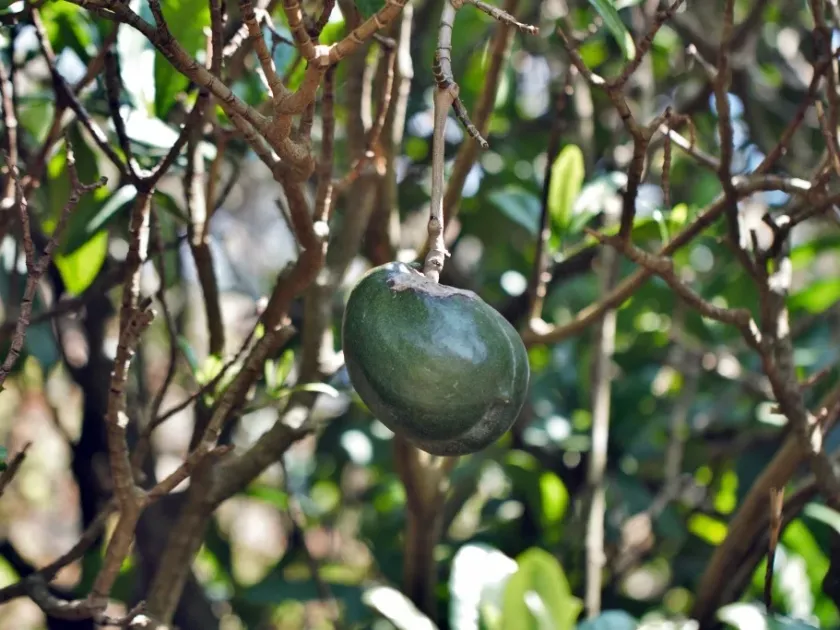
Description
Growing requirements
Tabernaemontana stapfiana is a robust evergreen shrub that belongs to the Apocynaceae botanical family. This species is native to tropical Africa, where it thrives in moist, shaded environments, developing dense foliage and large, fragrant flowers that define its horticultural profile.
Regarding climate, the plant requires consistent warmth and high levels of atmospheric humidity. It is strictly non-hardy and must be protected from temperatures below 15 degrees Celsius, making it suitable only for tropical or strictly controlled greenhouse environments.
Soil requirements involve a rich, well-draining medium that mimics forest floor conditions. A mixture of loam, sand, and high-quality peat is typically recommended to support the root system while preventing the anaerobic conditions that often lead to root decay.
Agronomic management focuses on consistent irrigation throughout the year, with a slight reduction during the dormant period. Fertilizer application should be balanced, focusing on nitrogen-rich formulas during the vegetative stage to promote foliage growth and overall plant vigor.
The plant has significant ornamental value, used primarily in landscaping within tropical regions. Its secondary use lies in biochemical research, as species within this genus are often studied for their complex alkaloid content and potential medicinal applications.
Main diseases and pests
The primary threats to Tabernaemontana stapfiana involve fungal infections triggered by poor drainage or overly stagnant air. Regular monitoring of the substrate moisture levels is essential to prevent the onset of root-rot, which is often fatal if not treated early.
Pests commonly associated with this plant include spider mites and mealybugs. Effective management includes the physical removal of pests, maintaining high humidity levels to discourage mites, and the application of targeted horticultural oils or systemic insecticides when necessary.