
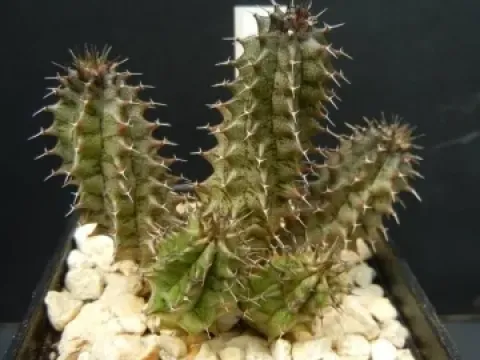
Tavaresia
Tavaresia
Tavaresia is a genus of succulent plants belonging to the Apocynaceae family, native to the arid environments of Southern and Southwestern Africa. These plants are highly prized by collectors for their unique morphology and aesthetic appeal.
What the section contains

Tavaresia
The plant features leafless, ribbed, and tuberculate stems that store water efficiently. The most striking characteristic of the genus is its large, trumpet-shaped flowers, which often display intricate, spotted patterns unique to each species.
To cultivate Tavaresia successfully, one must provide bright, indirect sunlight. While they need significant light to maintain their structural integrity, direct scorching sun can cause permanent damage to the epidermis of the stems.
The choice of soil is crucial for this culture. A porous, gritty medium is required to prevent root rot. Enthusiasts typically use a mix of cactus soil, perlite, and volcanic rock to ensure rapid drainage and air circulation.
Temperature management is key to successful growth. During the spring and summer, the plant thrives in warm conditions. During the winter dormancy phase, moving the plant to a cooler, dry location is essential for triggering the next blooming cycle.
The primary threat to Tavaresia is improper watering, specifically overwatering, which quickly leads to fungal infections and stem rot. The succulent root system is extremely sensitive to prolonged moisture in the soil.
Mealybugs are the most common pest, often colonizing the crevices between the tubercles on the stems. If left untreated, they can severely weaken the plant and promote the growth of sooty mold.
Spider mites can also attack the plant, especially in low-humidity environments. Regular inspection and maintaining appropriate airflow around the plant help mitigate the risk of infestation and disease development.
When dealing with fungal issues, it is imperative to remove any infected sections of the stem immediately using a sterile cutting tool. The remaining healthy parts should be treated with a systemic fungicide.
- Avoid watering during the cold winter dormancy period.
- Use sterile potting tools to prevent cross-contamination.
- Ensure the pots have ample drainage holes to prevent pooling.
- Maintain proper light levels to keep stems sturdy and healthy.