
Telosma cordata
Telosma cordata
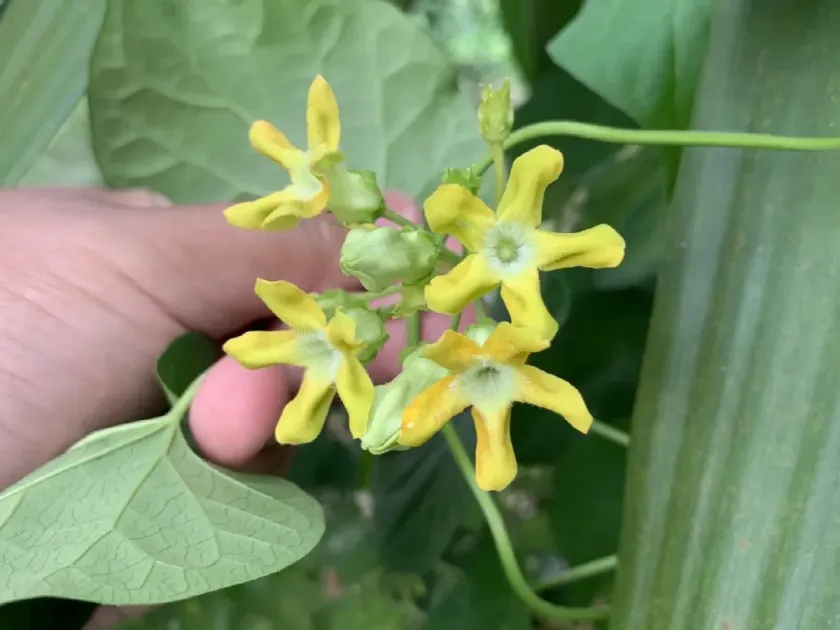
Description
Sowing dates
Seeds of Telosma cordata should be sown in well-warmed soil once the risk of frost has passed. As a tropical plant, it requires soil temperatures consistently above +20 degrees Celsius for optimal germination.
Starting seeds in a controlled greenhouse environment is highly recommended to protect young seedlings from early-season pests and unpredictable weather fluctuations.
Use a loose, well-draining potting medium rich in organic matter. Keep the substrate moist but not waterlogged to prevent seed rot during the critical germination phase.
Once seedlings reach a height of approximately 20 centimeters, they should be transplanted to their permanent location near a sturdy trellis or fence for climbing.
Proper spacing is crucial; ensure there is enough room for air circulation, which helps reduce the risk of humidity-related diseases as the vine matures.
Growing requirements
Telosma cordata thrives in full sun but can tolerate partial shade in extremely hot climates. It is a perennial vine belonging to the Apocynaceae family and requires significant vertical space to grow.
The soil should be fertile and well-drained, with a slightly acidic to neutral pH. Incorporating compost or aged manure prior to planting enhances soil structure and nutrient availability.
Watering needs are moderate to high, especially during the flowering season. Consistency is key; allow the top layer of soil to dry slightly between waterings to encourage deep root growth.
Regular fertilization with a balanced, phosphorus-rich fertilizer promotes vigorous growth and enhances flower production, which is the primary economic output of the plant.
The climate must be tropical or subtropical, as the plant is highly sensitive to temperatures below +10 degrees Celsius. In colder regions, it is often grown as an annual or overwintered indoors.
Yield
The primary yield from Telosma cordata consists of edible flower clusters, which are highly valued in culinary traditions for their unique scent and flavor.
A mature, well-maintained vine can produce a high volume of flowers throughout the growing season, provided it receives adequate water and sunlight.
The flowers are frequently harvested for local markets, where they are sold as gourmet greens or ingredients for traditional Asian soups and salads.
Seed pod yield is generally secondary, primarily sought after for propagation purposes. Pods should be allowed to mature fully on the vine for viable seed collection.
Productivity typically peaks in the second or third year, as the plant establishes a robust root system and extensive branch structure.
Main diseases and pests
Common pests include aphids, spider mites, and mealybugs, which tend to infest the plant during dry spells or in greenhouse conditions.
Root rot is a significant threat caused by poor drainage or overwatering. Maintaining a well-aerated soil environment is the best preventative measure against fungal pathogens.
Biological pest control methods, such as introducing predatory insects or using neem oil, are preferred to ensure the edible flowers remain free of chemical residues.
Regular monitoring of the foliage, especially the undersides of leaves, allows for the early detection and management of pest infestations before they spread.
Maintaining proper hygiene by removing dead or diseased plant parts significantly reduces the risk of overall crop failure and disease spread within the planting area.
Harvesting
Harvesting the flower clusters is best done in the early morning while the flowers are at their most fragrant and before the heat of the day causes them to wilt.
Use sharp garden shears to gently remove the clusters, taking care not to damage the fragile stems or the developing buds nearby.
Post-harvest handling is critical; store the flowers in a cool, humid environment to extend shelf life and preserve their delicate taste and aroma.
If collecting seeds, harvest the pods only after they have turned brown and brittle, ensuring they are fully dried before extraction.
After the final harvest at the end of the season, pruned vines can be mulched or cleared depending on the local overwintering strategy for the plant.