
Tabernaemontana persicariifolia
Tabernaemontana persicariifolia
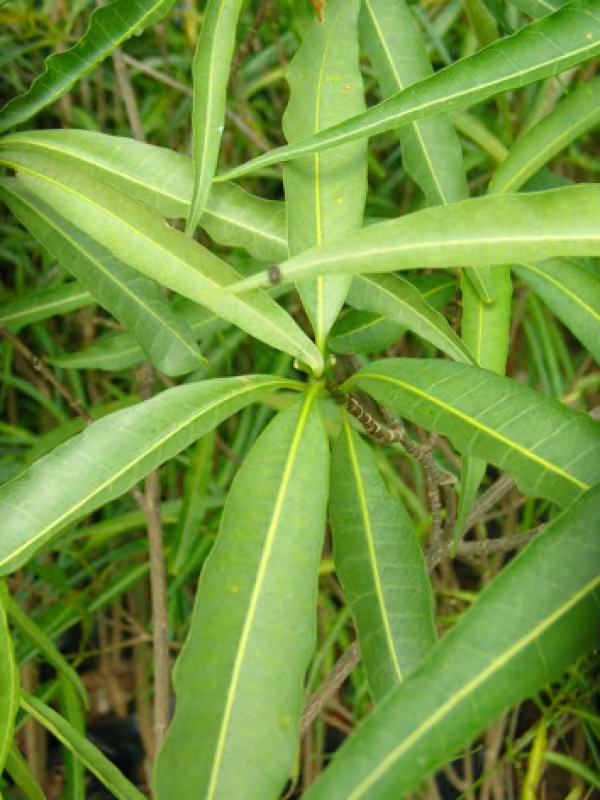
Description
Growing requirements
Tabernaemontana persicariifolia is a member of the Apocynaceae family, known for its evergreen foliage and elegant tropical appearance that makes it a prized ornamental plant.
Native to tropical environments, this plant thrives in warm climates with high ambient humidity. It is typically found in regions that provide consistent tropical conditions throughout the year.
The cultivation of this species requires well-draining, nutrient-rich soil. Proper substrate preparation is critical to avoid root issues that commonly occur in heavy, waterlogged soils.
The plant performs best under bright, indirect light conditions. Exposure to harsh, direct sunlight can damage its leaves, making partial shade or filtered light environments ideal for growth.
Economic use of this plant is primarily focused on ornamental horticulture, where it is cultivated in greenhouses or tropical gardens for its aesthetic value rather than for agricultural production.
Main diseases and pests
Like many plants in the Apocynaceae family, it is susceptible to typical tropical pests such as spider mites, scale insects, and mealybugs, especially in controlled environments.
Overwatering remains the primary threat, as it encourages the development of root rot and other soil-borne fungal pathogens that can quickly become fatal for the shrub.
Leaf spot diseases can occur if humidity levels are high while ventilation is poor, creating a favorable breeding ground for fungal spores to colonize the leaves.
Integrated pest management strategies, involving regular monitoring and the use of insecticidal soaps or horticultural oils, are effective for controlling minor infestations.
Prevention is key, involving the maintenance of a stable environment, proper spacing between plants to ensure airflow, and careful monitoring of watering schedules.