
Tabernaemontana pachysiphon
Tabernaemontana pachysiphon
Description
Growing requirements
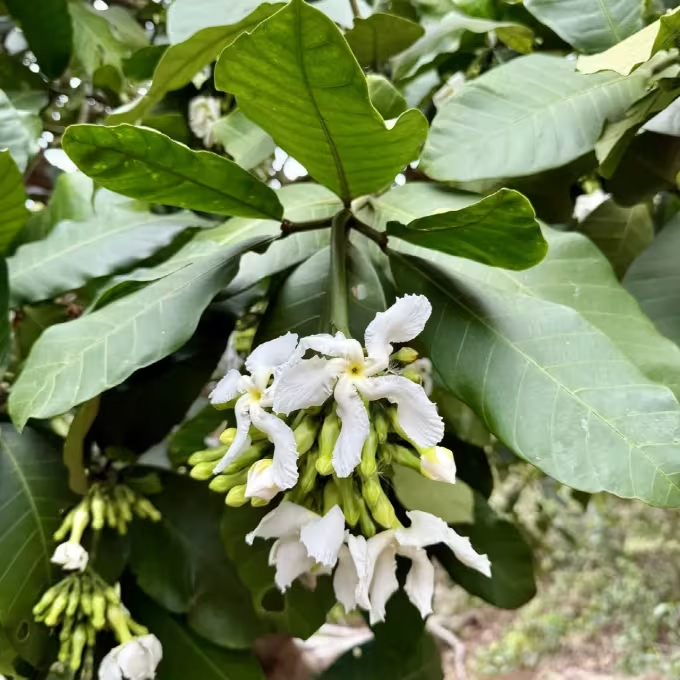
Tabernaemontana pachysiphon is an evergreen shrub or small tree belonging to the Apocynaceae family. Native to the tropical regions of Africa, this plant is well-adapted to high-humidity forest environments and is prized for its attractive, highly fragrant white flowers.
The plant requires a tropical climate to thrive, demanding consistent temperatures typically ranging between 22°C and 28°C. Exposure to cold drafts or temperatures below 15°C can cause significant stress, leading to leaf drop and stunted growth development.
Soil requirements for this species include a well-draining, nutrient-rich potting medium, ideally with a slightly acidic pH. Incorporating organic matter, such as compost or peat, helps to retain necessary moisture while allowing excess water to escape freely from the container.
In addition to its decorative value, the plant has a history of traditional use in local African medicine. Various extracts from its bark and roots are studied for their potential therapeutic properties, specifically regarding their alkaloid content and bioactivity.
Routine cultivation involves regular irrigation and a consistent fertilizing schedule during the growing season. Pruning is essential to maintain a desired shape and to encourage the growth of new flowering shoots, which appear throughout the warmer months.
Main diseases and pests
The primary pests affecting Tabernaemontana pachysiphon include common greenhouse insects such as spider mites, mealybugs, and scale insects. These pests often proliferate when the air humidity is too low or when the plant is kept in poor ventilation conditions.
Fungal diseases, including leaf spot and root rot, are frequent complications arising from improper watering practices. Ensuring that the substrate dries slightly between waterings and providing adequate airflow around the plant are the best preventative measures against these threats.