
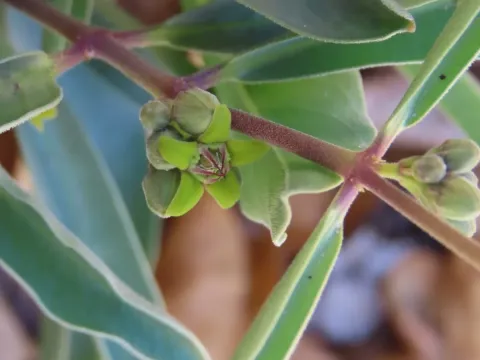
Raphionacme
Raphionacme
Raphionacme is a genus of perennial caudex-forming succulents belonging to the Apocynaceae family. Native primarily to the tropical and subtropical regions of Africa, these plants have evolved to thrive in arid savanna landscapes and rocky terrain environments.
What the section contains
 Raphionacme bingeri
Raphionacme bingeri
Raphionacme bingeri
 Raphionacme flanaganii
Raphionacme flanaganii
Raphionacme flanaganii
 Raphionacme hirsuta
Raphionacme hirsuta
Raphionacme hirsuta
 Raphionacme lanceolata
Raphionacme lanceolata
Raphionacme lanceolata
 Raphionacme longituba
Raphionacme longituba
Raphionacme longituba
 Raphionacme madiensis
Raphionacme madiensis
Raphionacme madiensis
 Raphionacme procumbens
Raphionacme procumbens
Raphionacme procumbens
 Raphionacme splendens
Raphionacme utilis
Raphionacme utilis
Raphionacme splendens
Raphionacme splendens
Raphionacme utilis
Raphionacme utilis
 Raphionacme velutina
Raphionacme velutina
Raphionacme velutina
Raphionacme
The key botanical feature of this genus is the development of a large subterranean or semi-emergent caudex. This thickened stem acts as a primary reservoir for moisture and nutrients, allowing the plant to persist through extended seasonal droughts.
This crop requires intense solar radiation to maintain a compact, healthy stem structure and foliage development. Proper air circulation is critical, as stagnant, humid air promotes the development of fungal infections on the vegetative parts of the plant.
The growing medium must be highly porous and well-drained to minimize the risk of root rot. An ideal substrate consists of a mixture of coarse sand, perlite, and a small proportion of high-quality organic topsoil to ensure efficient water drainage.
In terms of human use, Raphionacme is highly valued in the niche market of ornamental succulent collections. Furthermore, it remains a subject of ethnobotanical research due to the presence of secondary metabolites and alkaloids found in several species of the genus.
Excessive soil moisture is the primary threat to Raphionacme, leading to rapid decay of the caudex. If softening of the stem tissue is detected, immediate intervention including repotting and the removal of damaged tissue is required to save the plant.
Mealybugs are the most common pests affecting this culture, often colonizing the leaf axils and crevices of the caudex. Management strategies involve the use of systemic insecticides or manual treatment with alcohol-based solutions.
Spider mites can cause significant damage to the leaf blades, particularly in environments with low humidity and high temperatures. Preventive measures include regular misting and consistent inspection of the leaf undersides.
Root rot caused by soil-borne pathogenic fungi frequently affects young seedlings if irrigation protocols are not strictly followed. Utilizing sterilized growing media is essential for preventing these outbreaks during the early stages of plant development.
Failure to maintain appropriate temperature cycles during the plant's dormant phase significantly weakens its immune system. A cool, dry winter resting period is a necessary precondition for successful vegetative growth and flowering in the following season.