
Raphionacme hirsuta
Raphionacme hirsuta
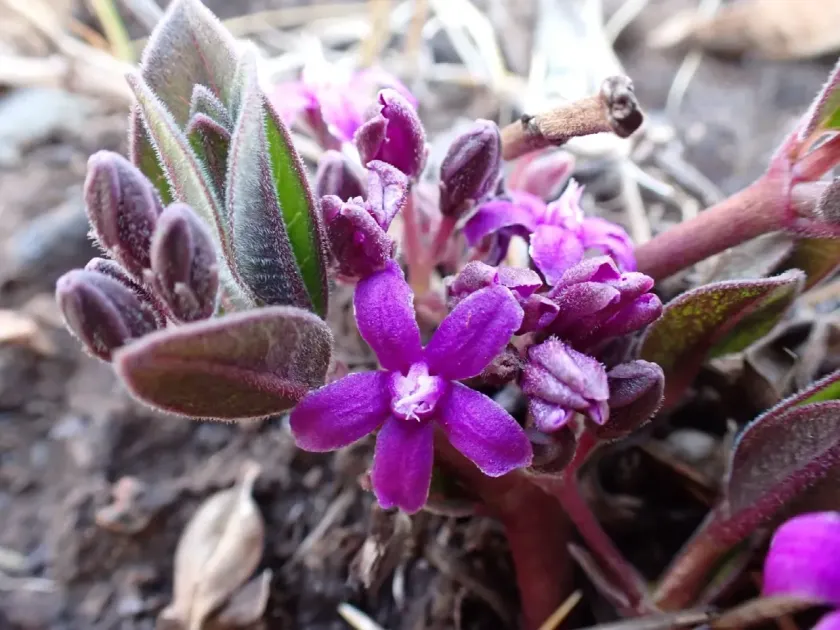
Description
Sowing dates
The sowing of Raphionacme hirsuta seeds is best performed in the spring when ambient temperatures consistently stay above 20 degrees Celsius. Fresh seeds show the highest germination rates.
A well-draining, mineral-based substrate is essential for seed starting. The seeds should be sown shallowly to allow proper aeration and moisture regulation.
Consistent, moderate moisture is required for germination, typically occurring within two to four weeks depending on the temperature and humidity levels.
Young seedlings require stable conditions and protection from direct midday sun during their first few months of growth to prevent desiccation.
As the plant develops its signature caudex, transplanting should be minimal, as the root system is sensitive to physical disturbance and damage.
Growing requirements
Raphionacme hirsuta is a member of the Apocynaceae family and is native to South Africa, where it thrives in rocky, arid grassland environments.
The plant requires a high-light environment but prefers filtered or morning sunlight to avoid scorching its delicate leaves during the peak of summer.
Soil composition must be extremely porous. A mixture of pumice, coarse sand, and a small amount of potting soil is generally recommended for optimal growth.
Watering should be strictly regulated; during the growing season, allow the soil to dry out completely between sessions to mimic natural rainfall patterns.
A distinct period of winter dormancy is required for the plant to thrive. During this time, water should be withheld almost completely while the plant is kept cool.
Main diseases and pests
Root rot is the most significant threat to this species, usually caused by overwatering or insufficient drainage in the potting medium.
Spider mites are common pests that thrive in the dry conditions required for the plant's health, often requiring miticide treatments if infestations occur.
Mealybugs can be problematic, particularly hiding in the crevices of the caudex where they are difficult to reach with standard surface sprays.
Fungal leaf spots may appear if humidity remains too high and airflow is stagnant, necessitating improved ventilation and fungicide application.
Regular inspection of the plant's caudex and leaves is vital for early detection of pests, as the plant can rapidly decline if infestations go unnoticed.