
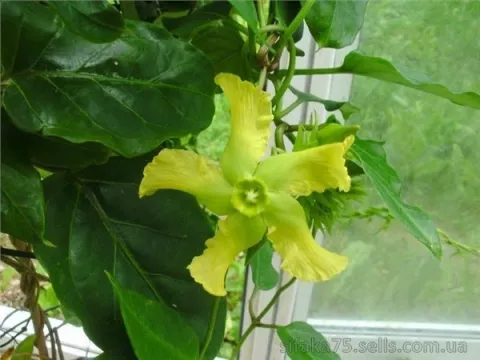
Prestonia
Prestonia
Prestonia is a genus of perennial evergreen vines belonging to the Apocynaceae family. These plants are primarily native to the tropical regions of Central and South America, thriving in warm and humid environments.
What the section contains


Prestonia
Successful cultivation requires a stable, frost-free climate with consistent temperatures. The soil must be rich in organic matter and possess excellent drainage characteristics to support healthy root development.
Botanically, Prestonia is characterized by its climbing habit, opposite leaves, and distinctive flowers that are typical of the dogbane family. Many species are known for the presence of milky latex throughout their stems and leaves.
Agronomic practices for Prestonia involve providing adequate structural support for the vines to climb. Ensuring sufficient light exposure is critical, as these plants generally prefer bright, filtered sunlight to maximize growth rates.
Economically, the genus is of interest for its secondary metabolites and potential applications in herbal medicine. Ongoing research focuses on the alkaloids found in various species, which may have utility in industrial or pharmaceutical sectors.
Root rot caused by fungal pathogens is the primary threat to Prestonia, usually exacerbated by poor soil drainage or excessive irrigation practices.
Pests such as spider mites, mealybugs, and scale insects frequently infest the foliage, especially in conditions where ambient humidity levels are inconsistently maintained.
Nematodes can cause significant damage to the root system, leading to stunted growth and reduced vigor, requiring careful soil management before planting.
Integrated pest management strategies are essential, including the use of neem oil or biological control agents to mitigate pest pressure without harming the environment.
Regular sanitation of the growing area and proper spacing between plants are fundamental practices to reduce the incidence of bacterial and fungal infections.