
Raphionacme velutina
Raphionacme velutina
Description
Growing requirements
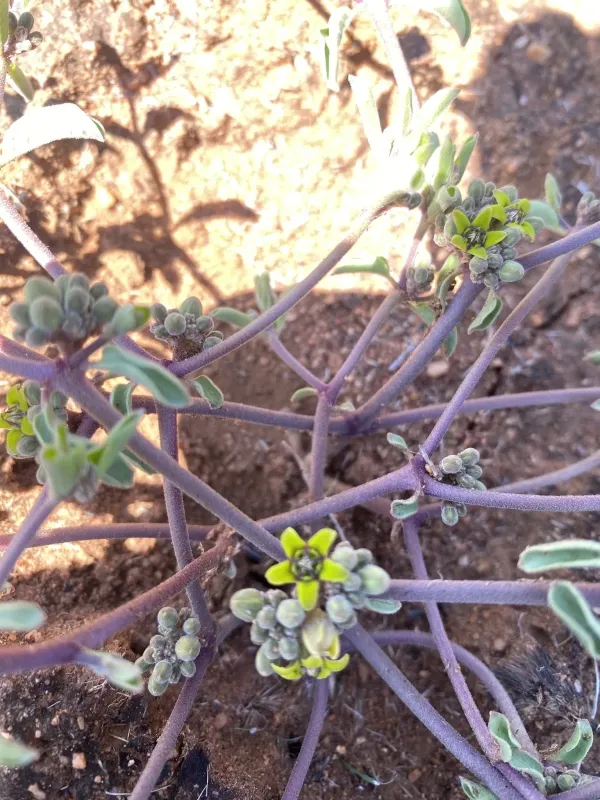
Raphionacme velutina belongs to the Apocynaceae family and is recognized as a distinctive caudiciform succulent. Native to the tropical regions of Africa, this species has evolved to thrive in environments characterized by long dry spells followed by seasonal rainfall.
The core feature of this plant is its thickened caudex, which serves as a specialized organ for water storage. This anatomical adaptation allows the plant to persist in harsh, arid landscapes where water sources are scarce and intermittent.
In cultivation, the primary requirement for Raphionacme velutina is a highly porous and well-draining soil mix. Growers often utilize substrates composed primarily of inorganic components like pumice, lava rock, and coarse sand to ensure that moisture does not linger near the caudex.
The plant requires high light intensity to maintain its characteristic structure and prevent etiolation. While it enjoys warmth during the active growing season, it is essential to protect it from extreme fluctuations in temperature and direct exposure to freezing conditions, which it cannot tolerate.
Water management is the most critical aspect of the plant's husbandry. During the summer growth phase, water should be provided only when the substrate is thoroughly dry. During the winter dormancy period, watering should be significantly reduced or suspended to mimic the dry season.
Main diseases and pests
The most common disease affecting this species is root rot, which typically stems from improper drainage or excessive watering. Once the caudex tissue begins to soften or turn dark, the condition often becomes irreversible, necessitating immediate emergency care.
Pest management is equally vital, with mealybugs being the most frequent invaders. These insects often cluster in the hidden crevices of the stems and the base of the leaves, where they sap the plant's vitality and secrete honeydew that attracts secondary fungal infections.
Spider mites represent another significant threat, particularly in environments with low humidity. Their presence is indicated by stippling on the leaves and fine webbing, which can lead to rapid leaf drop and weakened immunity if the infestation is not checked.
Preventative care involves routine inspections and the maintenance of good airflow around the plant. Avoiding water accumulation on the crown or the caudex during the cooling months is essential for preventing the development of bacterial and fungal pathogens.
For chemical control, specialized horticultural soaps or systemic insecticides should be applied carefully. It is important to ensure that any substance applied to the plant does not contribute to root burn or phytotoxicity, keeping the focus on targeted treatment of the affected areas.