
Raphionacme longituba
Raphionacme longituba
Description
Growing requirements
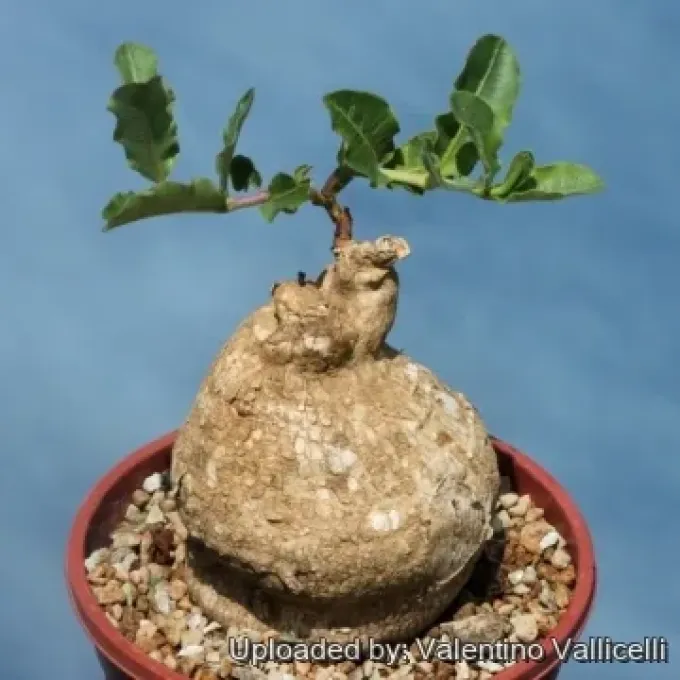
Raphionacme longituba is a distinct species belonging to the Apocynaceae family, native to the arid landscapes of Southern Africa. It is characterized by its succulent habit and a significant tuberous base known as a caudex, which stores essential water reserves.
The plant exhibits unique botanical features, including specialized long, tubular flowers designed for specific pollinators. Its foliage is usually deciduous, appearing only when environmental conditions are optimal during the wet season.
For successful cultivation, the species requires an exceptionally well-draining, mineral-rich substrate. Standard potting soils for succulent plants, modified with additional grit or coarse sand, are necessary to prevent the accumulation of excess moisture.
Environmental conditions should mimic those of its natural habitat, emphasizing high light intensity and warm temperatures during the growth cycle. During the dormant season, the plant must be kept dry and in cooler temperatures to prevent rot.
Commercially, Raphionacme longituba is primarily utilized in the specialty nursery trade and as an ornamental specimen. Its unique morphological structure makes it a highly sought-after plant for collectors of arid-land flora.
Main diseases and pests
The most significant threat to the health of Raphionacme longituba is excessive watering, which invariably leads to rot. Pathogenic fungi thrive in waterlogged conditions and can destroy the caudex structure rapidly.
Common pests such as mealybugs and spider mites are frequent invaders, especially in controlled greenhouse environments. These pests prefer the young shoots and the protected spaces around the crown of the caudex.
To mitigate disease risks, growers must prioritize airflow and light. Providing adequate ventilation helps maintain the surface of the plant dry, which is essential to prevent bacterial infections and fungal growth.
Biological and chemical control methods are effective, but should be applied cautiously to avoid stressing the plant. Systemic insecticides are recommended for stubborn infestations, while physical removal is preferred for early-stage pest management.
Ultimately, vigilance is the key to maintaining a healthy specimen. Regular monitoring for any changes in tissue texture, especially near the base, allows for quick intervention before the condition becomes irreversible.