
Raphionacme lanceolata
Raphionacme lanceolata
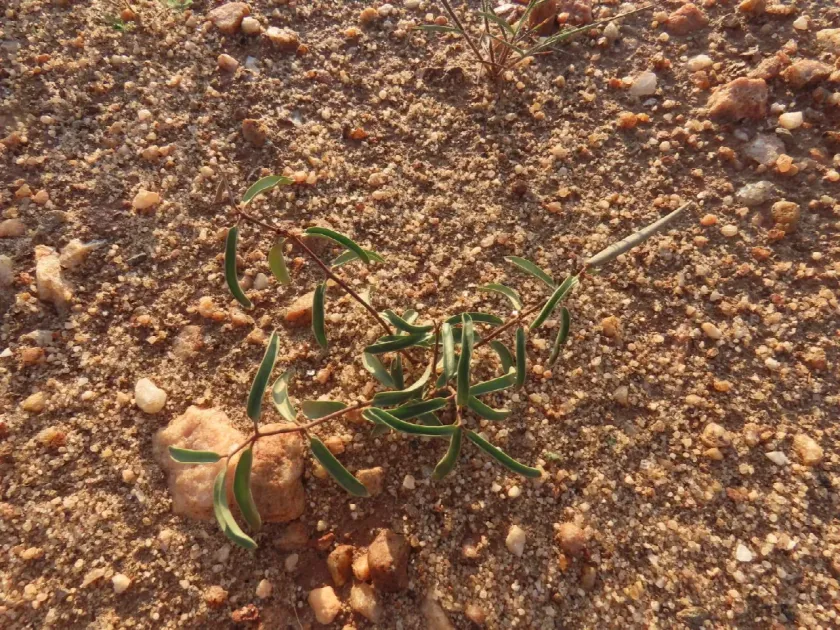
Description
Sowing dates
Raphionacme lanceolata is a perennial species that requires specific thermal conditions for germination, typically thriving when temperatures are warm.
Seeds should be sown in a highly porous, gritty substrate that ensures rapid drainage to prevent fungal damping-off during the initial growth stage.
Light coverage with soil is essential, as the seeds respond to surface-level sowing which mimics their natural seed-dispersal patterns in sandy terrain.
Consistency in moisture levels, achieved through misting or gentle bottom watering, is vital during the first few weeks of the seedling phase.
Once seedlings have established, they should be gradually acclimated to high light intensity to encourage the formation of a robust and healthy caudex.
Growing requirements
This species is a member of the Apocynaceae family, well-known for its succulent, caudex-forming habit that allows survival in arid landscapes.
Optimal growth requires a well-draining, neutral to slightly alkaline soil composition that mimics the nutrient-poor soils of its native habitat.
The plant necessitates long hours of bright sunlight, which is critical for biomass accumulation and the metabolic processes of its fleshy root system.
Seasonal water management is the most important agronomic practice: abundant watering during the growth phase and a strict dry period during winter.
Temperature regulation is key; the plant performs best in warm tropical environments while requiring cooling periods during its dormant winter cycle.
Yield
The primary utility of Raphionacme lanceolata is rooted in its ethnobotanical value, specifically regarding its medicinal compounds found in the caudex.
Productivity is measured by the growth rate of the underground caudex, which can expand significantly over several years under proper cultivation.
Industrial applications require patience, as the species is relatively slow-growing, necessitating multi-year production cycles for sustainable output.
Selective harvesting of secondary tissues ensures that the core plant remains intact, allowing for potential regrowth in subsequent growing seasons.
Future agricultural prospects involve the domestication of this plant for its bioactive compounds, requiring further research into high-density cultivation.
Main diseases and pests
Root and caudex rot, induced by overwatering and poor aeration, constitutes the most significant biological threat to successful cultivation.
Pests like spider mites and mealybugs can infest the foliage during the summer months, necessitating regular scouting and monitoring.
Fungal pathogens thrive in environments with stagnant air, making greenhouse ventilation a non-negotiable factor in protecting plant health.
Chemical control should be applied sparingly, as the plant's succulent tissues can be sensitive to aggressive pesticides or concentrated fertilizers.
Disease prevention is primarily achieved through maintaining a strict dry cycle in winter and ensuring that soil moisture never stays elevated.
Harvesting
Harvesting usually occurs during the plant's dormant phase, identified by the natural senescence of the above-ground annual stems.
The caudex is carefully extracted from the growing medium using non-destructive techniques to preserve the structural integrity of the plant.
Post-harvest processing involves removing soil particles and drying the material in a cool, ventilated environment to prevent mold development.
Quality control during drying is essential to ensure that the chemical properties of the medicinal compounds are not degraded by heat or light.
Sustainable production models advocate for crop rotation and selective extraction to maintain the health of the cultivation area over time.