
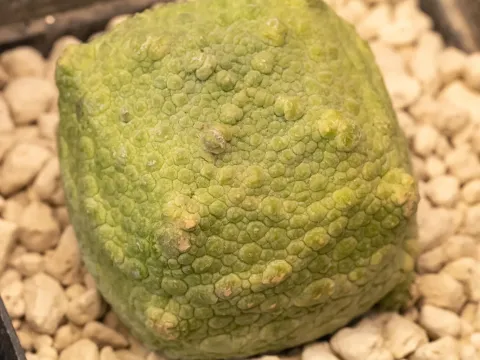
Pseudolithos
Pseudolithos
Propagation of Pseudolithos is primarily achieved through seeds, as the specialized growth habit makes cutting propagation nearly impossible for most species.
What the section contains


Pseudolithos
The optimal sowing period begins in early spring, ensuring that the seedlings receive sufficient light intensity as they enter the rapid growth phase.
The sowing substrate must be highly inorganic, consisting of fine pumice, grit, or coarse sand to prevent moisture accumulation around the developing roots.
Seeds should be sown on the surface and lightly dusted with fine grit, followed by moderate misting to maintain necessary moisture levels without saturating the medium.
Consistent temperatures between 25°C and 30°C are critical for successful germination and early development of these delicate desert succulents.
Pseudolithos is a genus of succulent plants within the Apocynaceae family, native to the arid environments of Oman, Yemen, and Somalia.
These plants are adapted to harsh conditions, featuring a spherical or tuberculate stem that functions as a highly efficient water storage organ.
They require intense light conditions but should be shielded from the scorching midday sun in greenhouse environments to prevent skin damage.
The growing medium should be entirely mineral-based, offering excellent drainage that prevents any stagnation, which is the primary cause of plant death.
Watering requires strict discipline; the substrate must be completely dry before re-watering, and the stem should never be left wet for prolonged periods.
Root rot caused by overwatering or poor drainage is the most lethal threat to Pseudolithos collections and requires immediate repotting if suspected.
Mealybugs are the most common pest, often colonizing the crevices between the tubercles, making early detection and manual removal essential.
Fungal infections can quickly compromise the succulent tissue during periods of high humidity combined with stagnant air, leading to tissue collapse.
Red spider mites can pose a risk during the hot, dry season, particularly if the plant is stressed by inadequate air movement or prolonged drought.
Regular monitoring and the use of targeted biological or chemical control agents are necessary to maintain healthy specimens in professional nursery settings.