
Raphionacme madiensis
Raphionacme madiensis
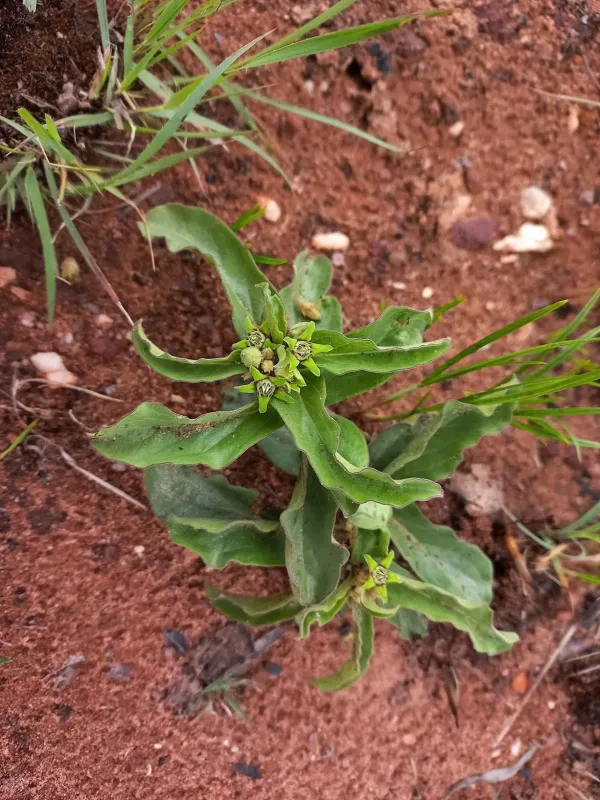
Description
Sowing dates
Raphionacme madiensis is a fascinating member of the Apocynaceae family, known for its thickened, succulent root system, or caudex. This plant is primarily propagated through seeds, requiring specific environmental triggers for successful germination.
The sowing process involves utilizing a specialized, fast-draining substrate mix. A composition of volcanic grit, sand, and a small amount of inorganic soil is ideal to mimic the natural rocky habitats of the species.
Sowing should be scheduled during the warmest months of the year, ensuring that the substrate temperature stays consistently high to facilitate early root growth. Seeds should be placed at a shallow depth to ensure they receive sufficient oxygen.
Uniform moisture must be maintained during the first few weeks following sowing. Once the seedlings demonstrate active growth and the first set of true leaves develops, water frequency should be reduced to encourage the plant to store reserves in the developing caudex.
Careful attention should be given to plant spacing, as the underground development of the caudex requires space for expansion. Overcrowding can lead to resource competition and stunted growth during the critical first year.
Growing requirements
Originating from the tropical regions of Africa, Raphionacme madiensis is highly adapted to arid environments. The plant thrives in full sun exposure, which is essential for maintaining a compact form and healthy foliage development.
Soil requirements are strict: the medium must possess high porosity. Any accumulation of moisture around the base of the stem or the caudex during the cooling period will inevitably lead to physiological decay.
The plant demonstrates a strong seasonal rhythm, with a clear distinction between the growing season and the dormant period. Irrigation must be suspended almost entirely during winter to replicate the natural drought phase of its native habitat.
Temperature management is vital; the plant requires warm conditions, typically ranging between 22 and 30 degrees Celsius. Temperatures below 10 degrees Celsius can cause cellular damage, particularly if the plant contains high moisture levels.
Nutrient requirements are modest. Over-fertilization, especially with high-nitrogen compounds, can lead to succulent tissue that is prone to pest attacks and structural instability. A balanced, low-concentration fertilizer is recommended during the peak growth months.
Yield
The yield of Raphionacme madiensis is measured not in traditional agricultural mass, but in the maturation of its caudex biomass, which is highly valued for botanical and ethnobotanical research.
Under optimal greenhouse conditions, the growth rate of the caudex can be significantly improved compared to wild-grown specimens. Proper irrigation cycles and heat management are the primary drivers of yield stability.
The plant produces seeds that can be harvested for further propagation. Efficient pollination is necessary, which in managed environments may require manual assistance to ensure a consistent seed set for future crop generations.
The biomass of the plant, specifically the succulent tissues, contains various bioactive compounds, making it a subject of interest for pharmacological studies. Harvesting for such purposes follows specific chemical maturity markers.
Sustainable production involves maintaining healthy parent plants for multiple seasons. Yield longevity is prioritized over short-term rapid growth, as the plant needs time to develop its protective chemical defenses.
Main diseases and pests
The most significant threat to Raphionacme madiensis is root rot caused by various soil-borne pathogens. These pathogens thrive when the drainage is insufficient or when the dormancy cycle is ignored by the cultivator.
Common agricultural pests such as aphids and spider mites can infest the foliage, particularly in greenhouse settings where air movement is restricted. Integrated pest management using biological controls is preferred over harsh chemicals.
Root mealybugs are a hidden danger, residing in the soil around the caudex. Regular inspection of the root zone during repotting or as part of routine health checks is necessary for early detection and mitigation.
Mechanical damage to the caudex is another risk. As the plant contains toxic milky sap, workers should wear gloves to prevent skin irritation. Wounds from careless handling serve as entry points for bacterial infections.
Fungal leaf spot can occur during periods of high humidity. Improving airflow around the plants and ensuring that foliage remains dry during irrigation are simple yet effective preventative measures.